City Walls
City Walls
Walls, towers and fortresses
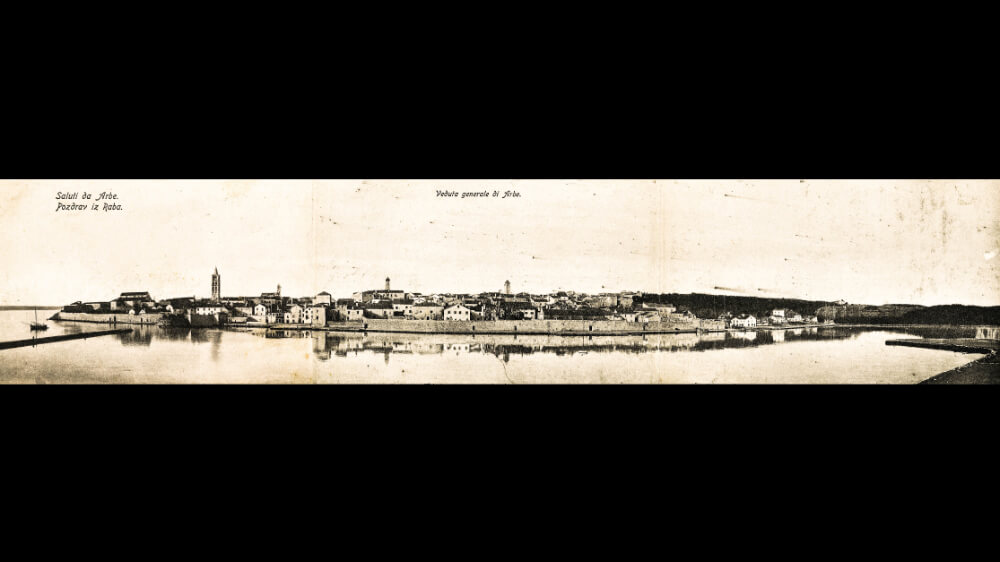
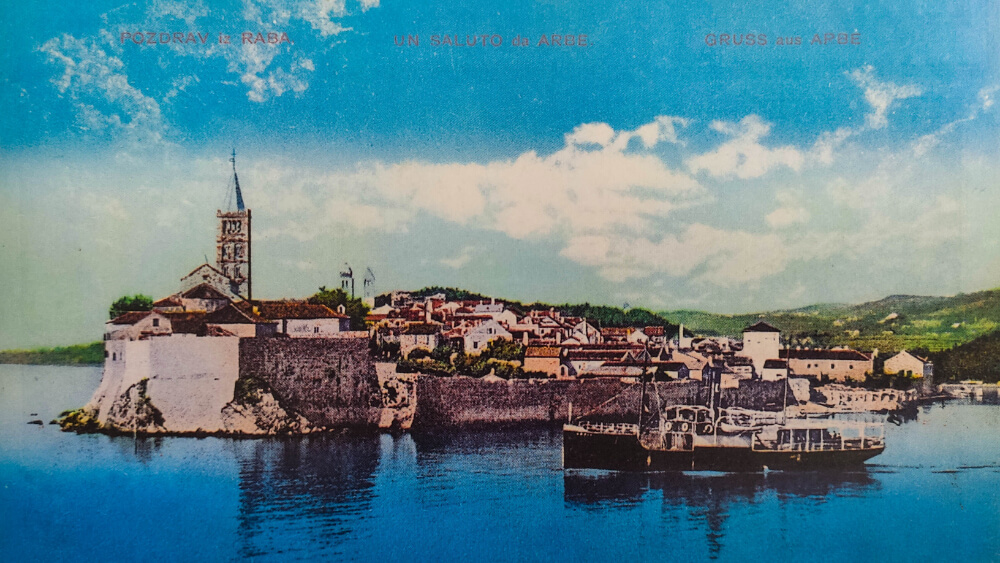
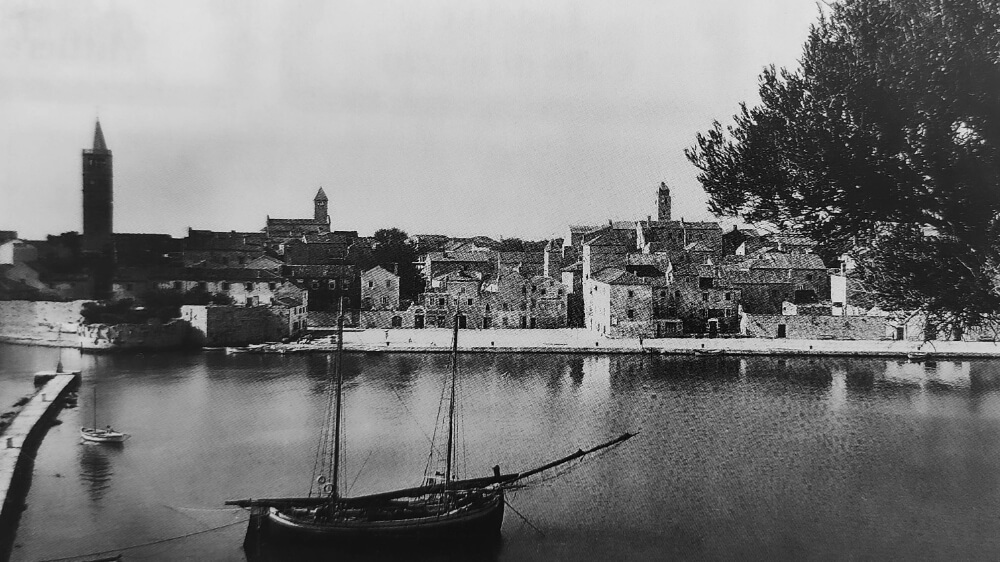
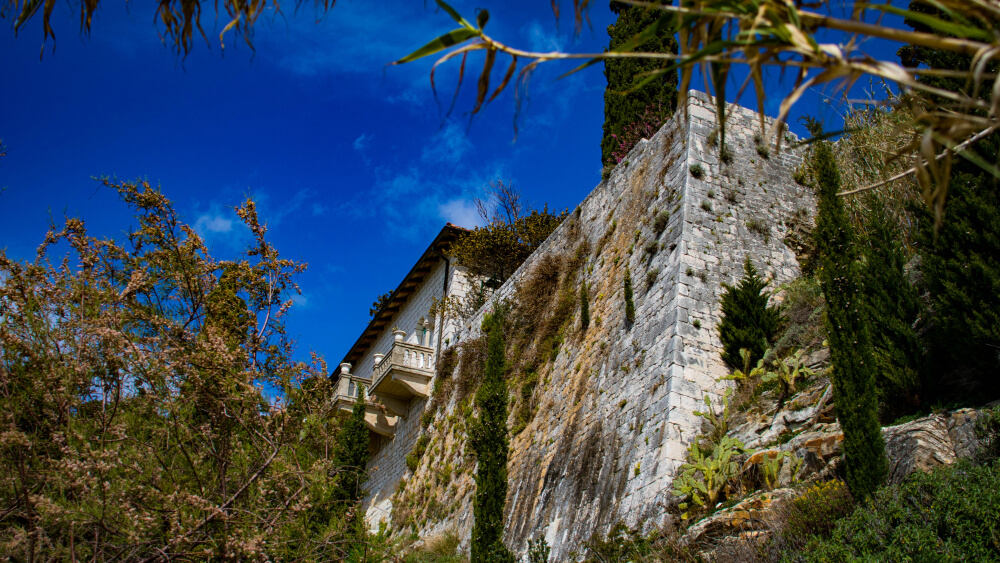
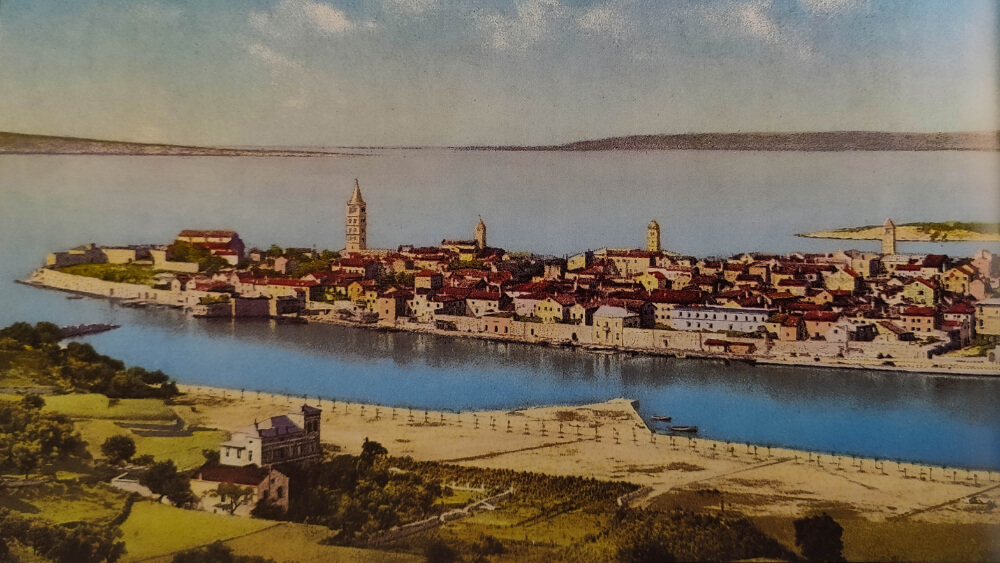
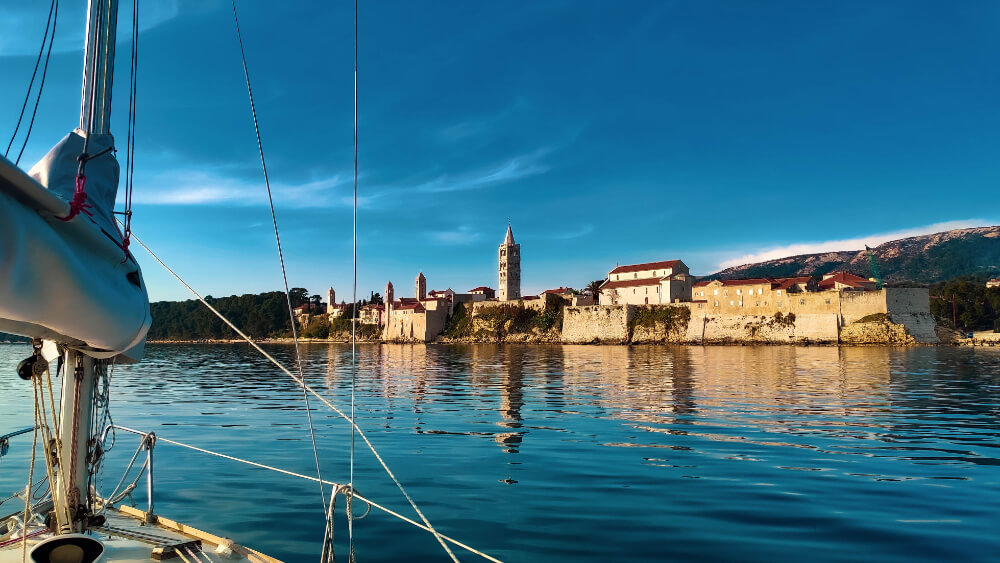
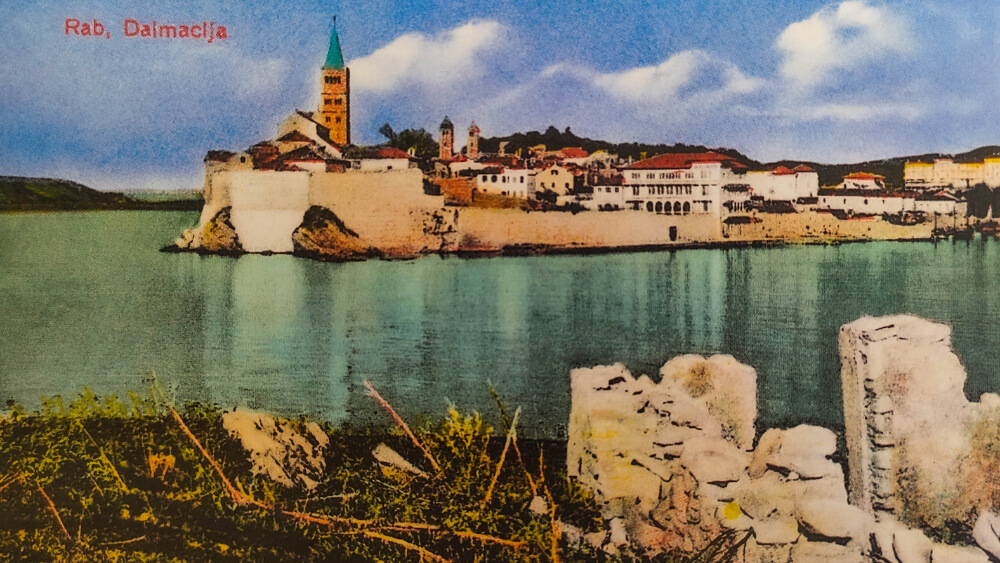
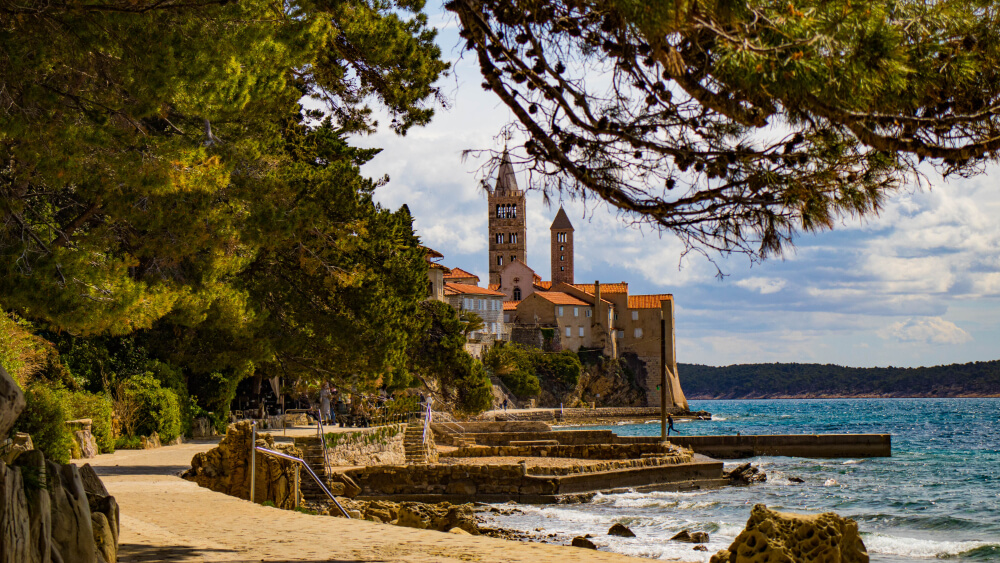
City walls on the northern, southern and western side of the peninsula have been well-preserved to this day. The town was fortified by walls that partially merged to the facades of the palaces and monasteries n the western side and have been preserved from the medieval Tower of St. Christopher (Sv. Kristofor) to the bell tower of the Monastery of St. John (Sv. Ivan), as well as along the Monastery of St. Andrew (Sv. Andrija) and below the Cathedral. On the top of the peninsula, the walls were built as part of the Monastery of St. Anthony the Abbot (Sv. Antun Opat), closed with a massive pointy bastion and stretching to the Municipium Arba Square in front of the Duke's Palace (Cro. Knežev dvor). At the site of the present-day Tourist Board of the Town of Rab, there was the circular bastion Revelin that was erected in the 15th c. in a Renaissance style for the purpose of providing a better defense of the internal part of the port.
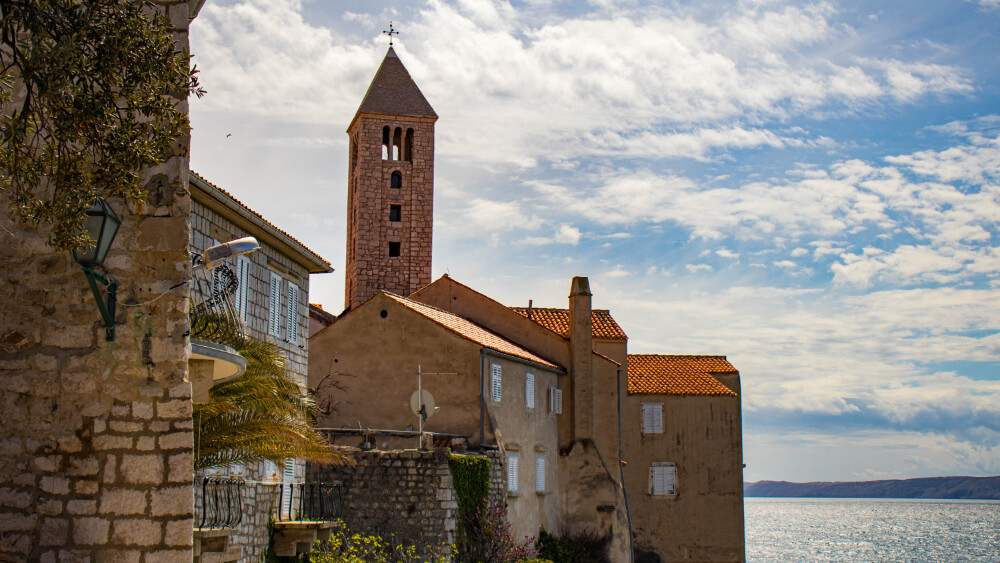
The best-preserved part of the walls is located on the side facing the mainland, where two towers and the lower town gates were demolished at the beginning of the 20th c. At the foot of the Tower of St. Christopher (Sv. Kristofor), there is the Gagliarda tower (Cro. Kula smjelih), which is connected with a hard brickwork (cortina) to the doorpost in the middle. The town is faithfully depicted, almost with a geodetic precision, in the picture from the beginning of the 17th c. kept at the Sacral Art Museum at the Church of St. Justine. Only the three Romanesque-style bell towers are in the picture, because the fourth one, the one of St. Justine, was built only in 1672 in a simple Baroque-style form. With the building of the bell tower, the view of Rab with its four bell towers for which it is well-known worldwide has been completed.