The Monastery of St. Peter
The Monastery of St. Peter
Monasteries
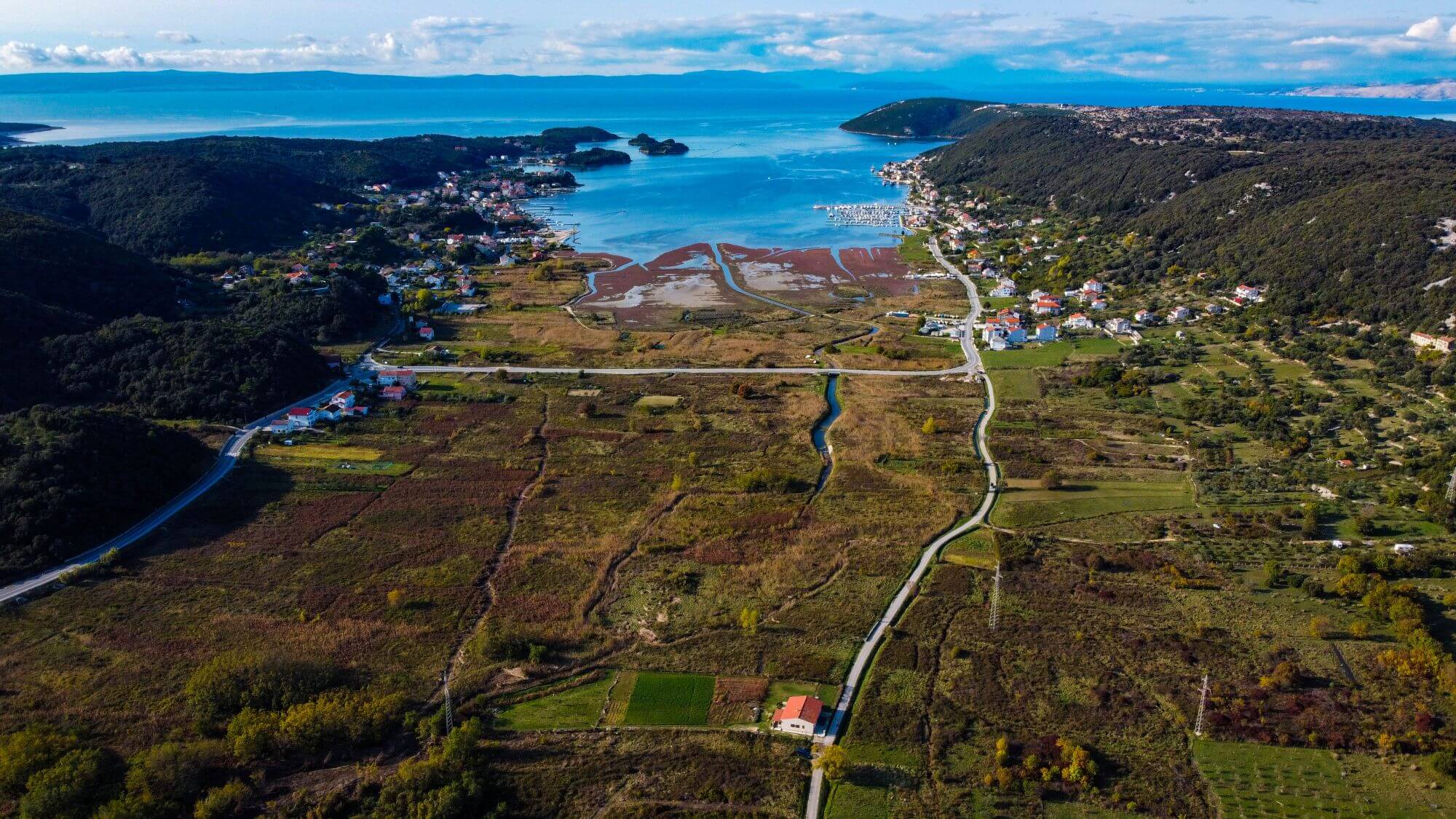
THE MONASTERY SITUATED IN THE FIELD CLOSE TO THE FORMER SALT MINE
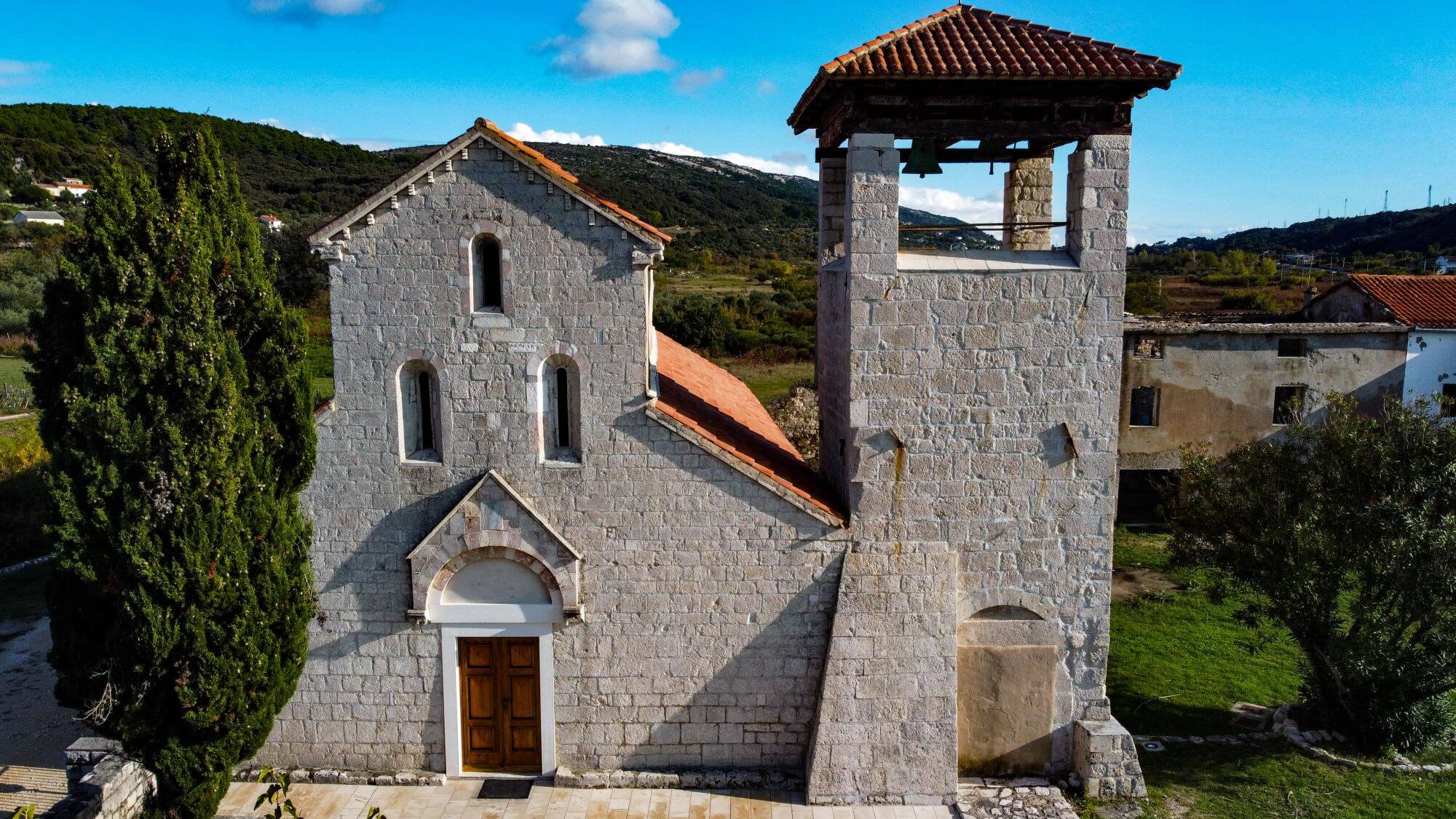
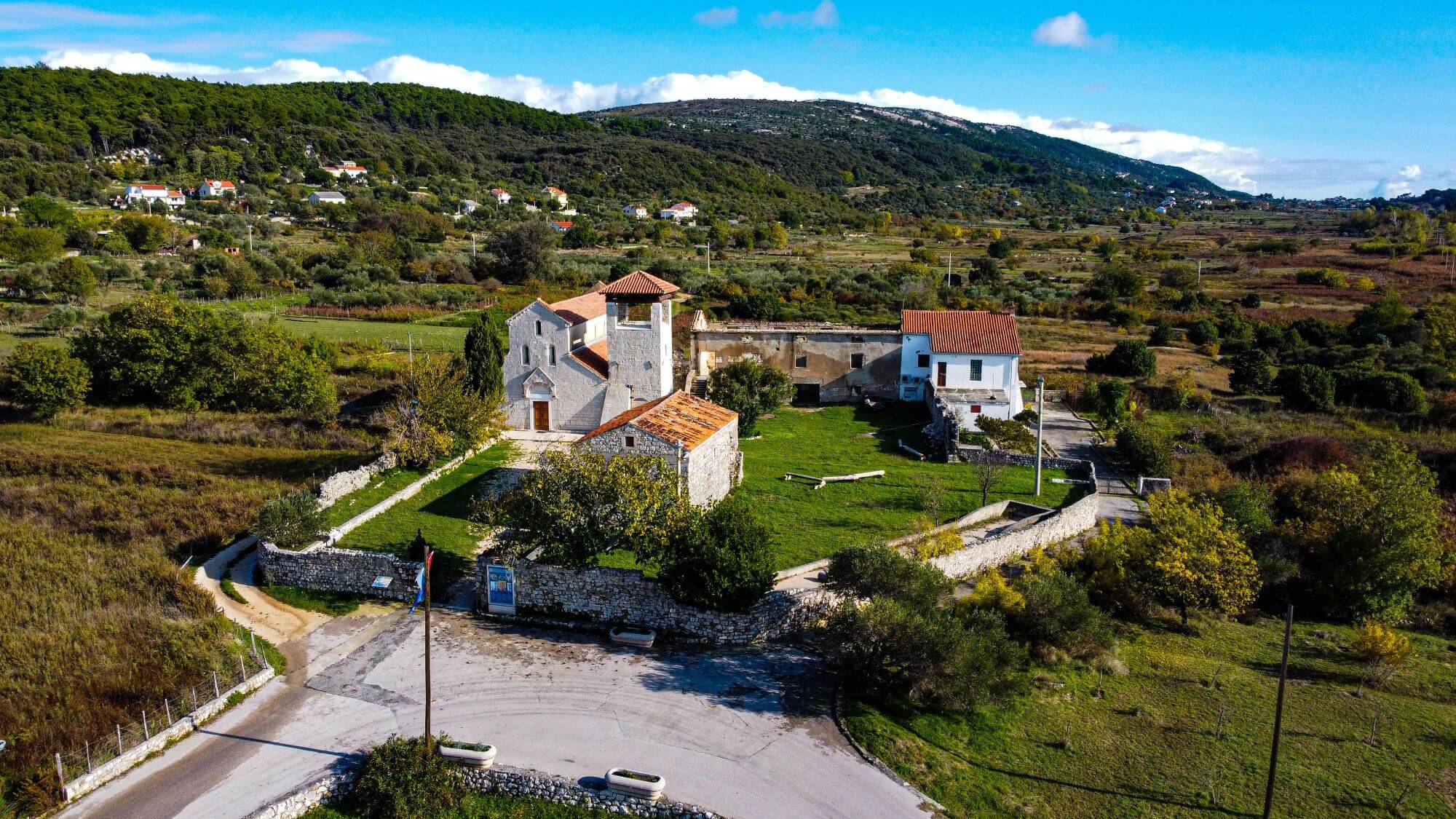
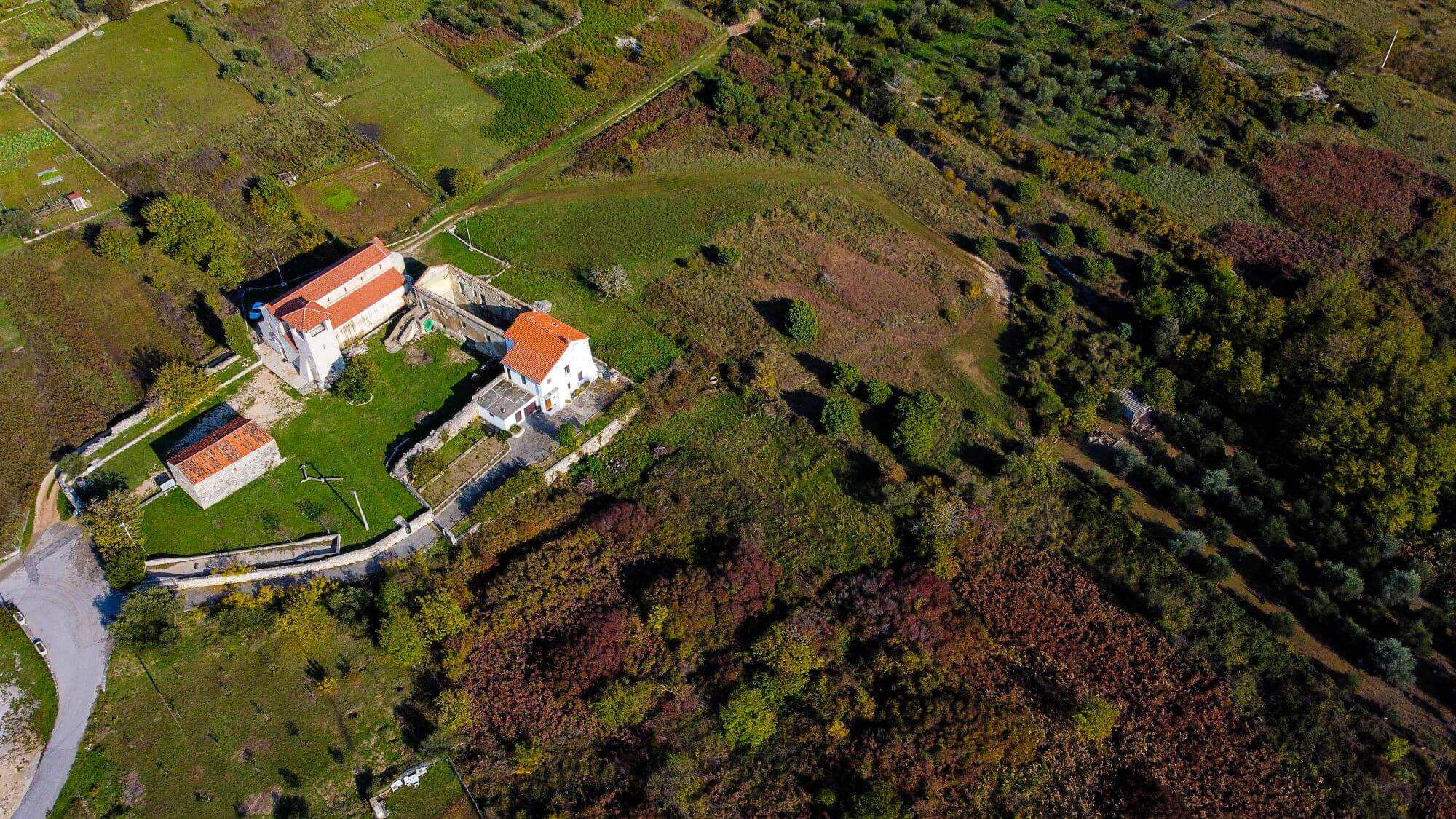
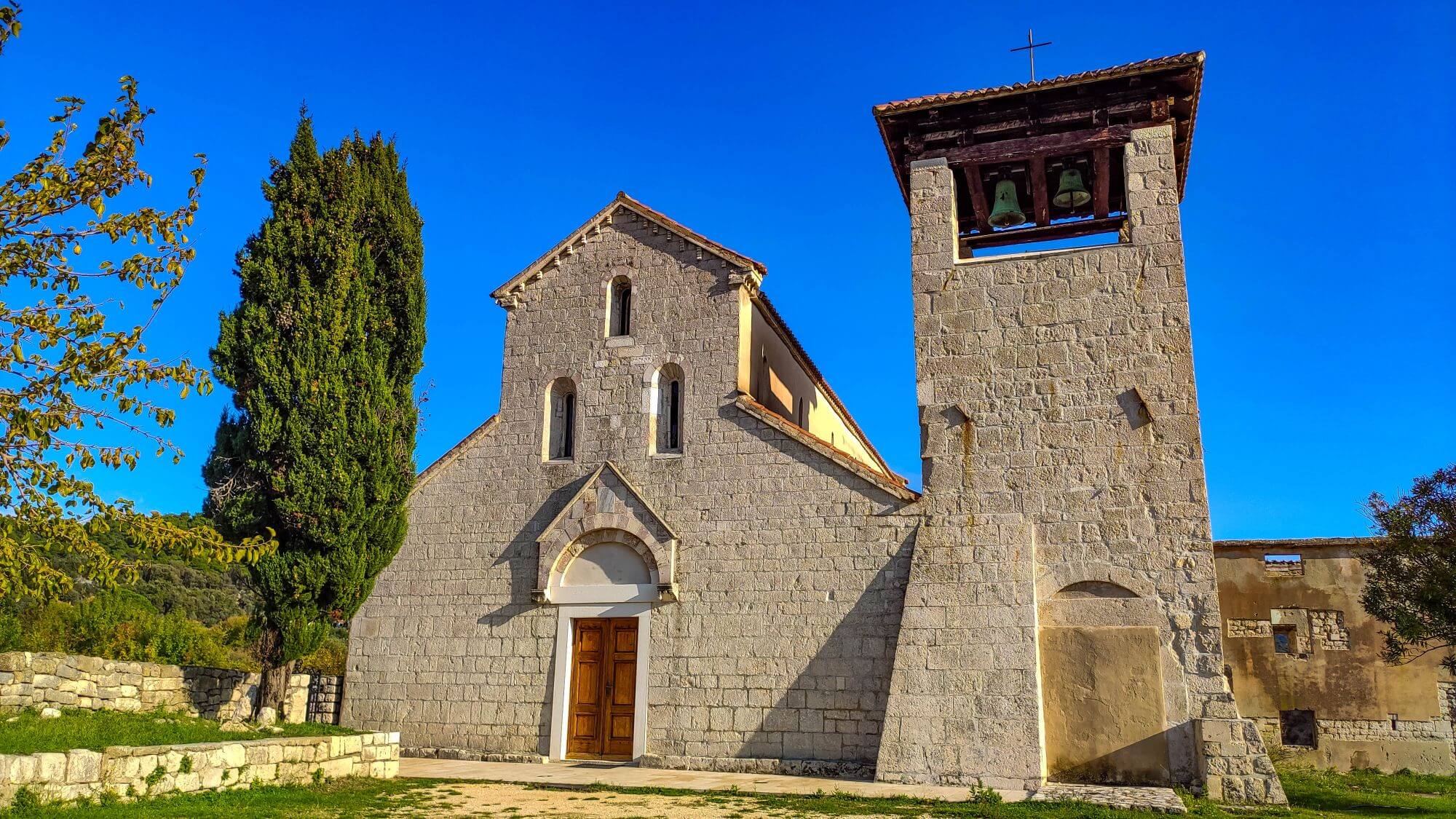
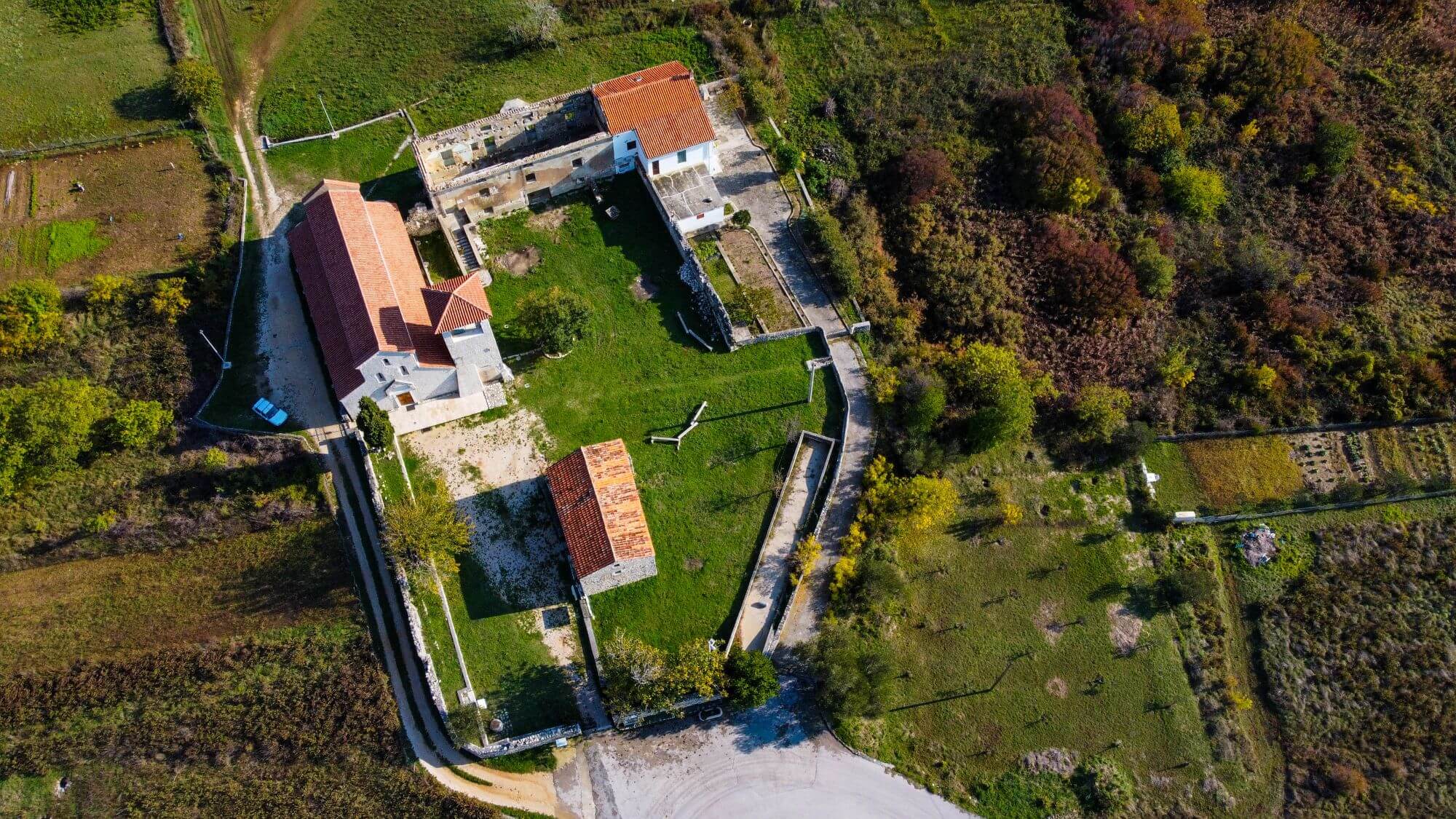
The church is situated at the foot of the Kamenjak Hill, in a field in Supetarska Draga and it dates back to the second half of the 11th c. (1059). It is the oldest church on the island with the oldest Benedictine monastery located next to it in the past. The monastery was founded by the Bishop Drago from Rab in 1071. The church is a three-nave basilica with the facade having the form of a basilica and the features of the Late Romanesque period of the 12th c. The mentioned parts of the facade point to the almost identical design of the ecclesiastical structures of the said period in Rab and Zadar.
THE BELL TOWER WAS HIGHER THAN IT IS TODAY
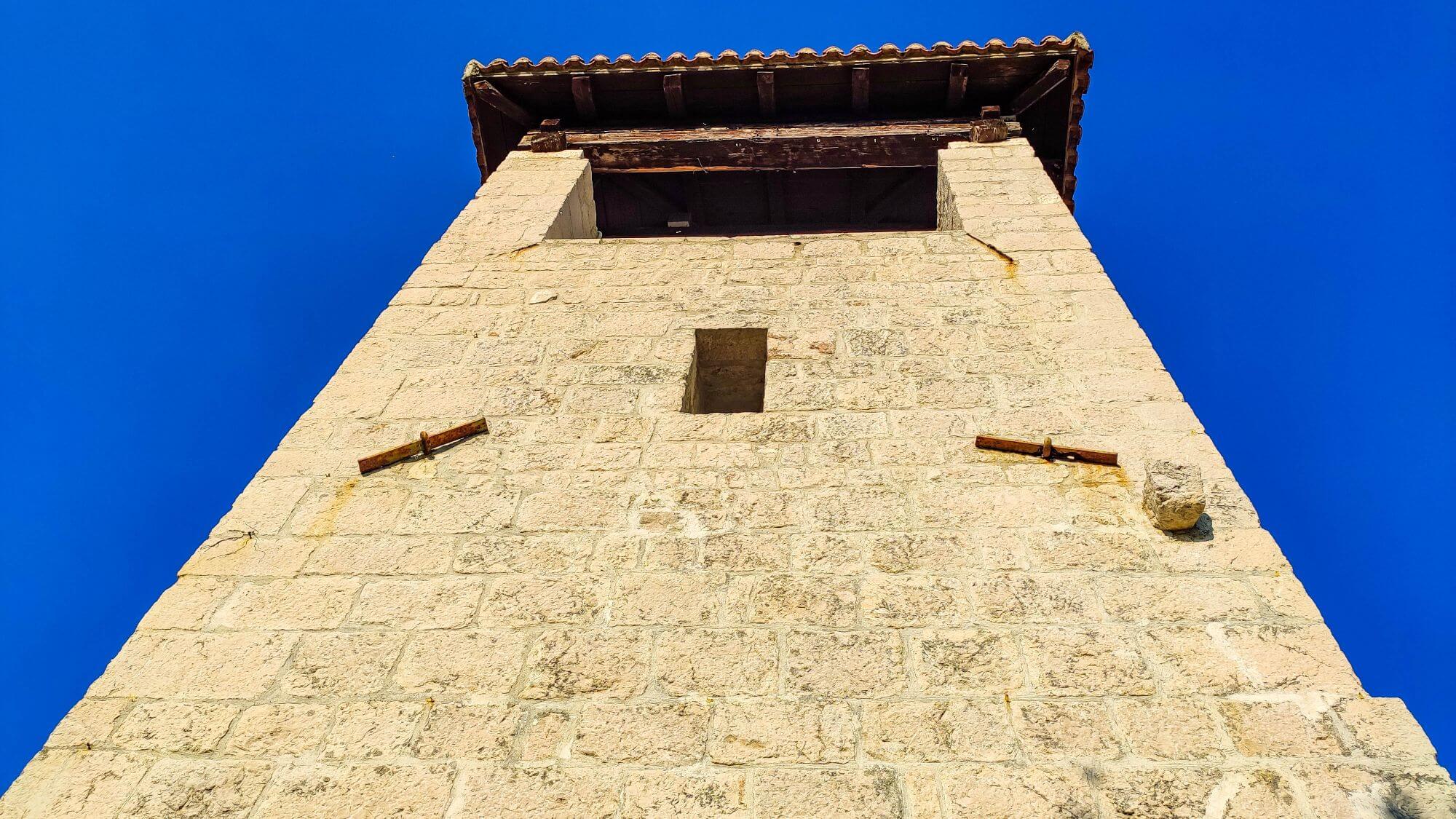
On the south side of the church, there is a massive, but low bell tower, the bottom part of which was constructed in the Romanesque period. The top floor of the bell tower was demolished and in 1906 a new top floor of the tower was built with an open belfry.
THE OLDEST CHURCH BELL IN DALMATIA
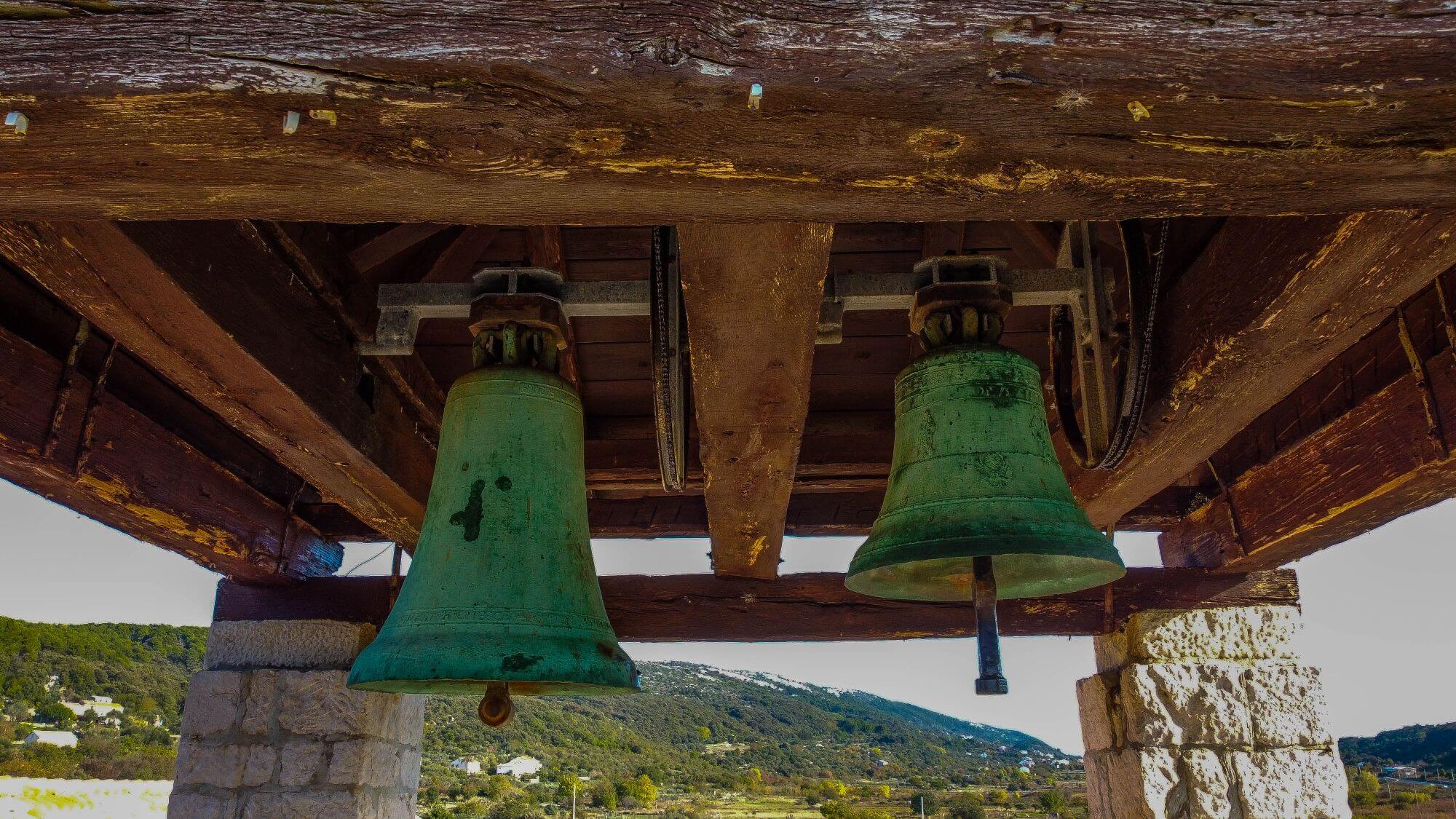
The oldest Gothic style church bell in Dalmatia cast by the Friar Luka from Venice in 1290 is contained inside the bell tower. The smaller bell was cast in 1593 by the foundryman Jacob Caldelarius who moulded the big bell on the Cathedral in Rab, as well.
THE OLDEST BENEDICTINE MONASTERY ON THE ISLAND OF RAB
The Church of St. Peter (Cro. Crkva sv. Petra) represents the only complete remains of the former Benedictine Abbey closed in 1467. The monastery was a significant Benedictine retreat centre mentioned in several documents related to the obtaining of privileges, etc. Today, the remains of monastic buildings are only partly revealed within the preserved internal wall of the south wing with Romanesque-style windows. Some parts of the wall have been incorporated into the vicarage and agricultural cooperative buildings, while the others were demolished.
THE BISHOP OF RAB DRAGO IS THE FOUNDER OF THE MONASTERY
Two documents showing evidence of the monastery foundation, drafted within the period of ten years, have been preserved. The first document mentions Drago, the Bishop of Rab, the Prior Majus and the inhabitants of Rab who donated the Church of St. Peter and the Church of St. Cyprian in Draga with the accompanying land to the Abbot Fulkon to establish the monastery there. The other and less authentic document is the permit of the King Petar Krešimir IV for the establishment of the monastery. Both documents, including the latter one, have contributed to the discovery of the year of origin and historical features of the church and the monastery. Nothing has been preserved from the Church of St. Cyprian.