The Church of St. Andrew
The Church of St. Andrew
Churches
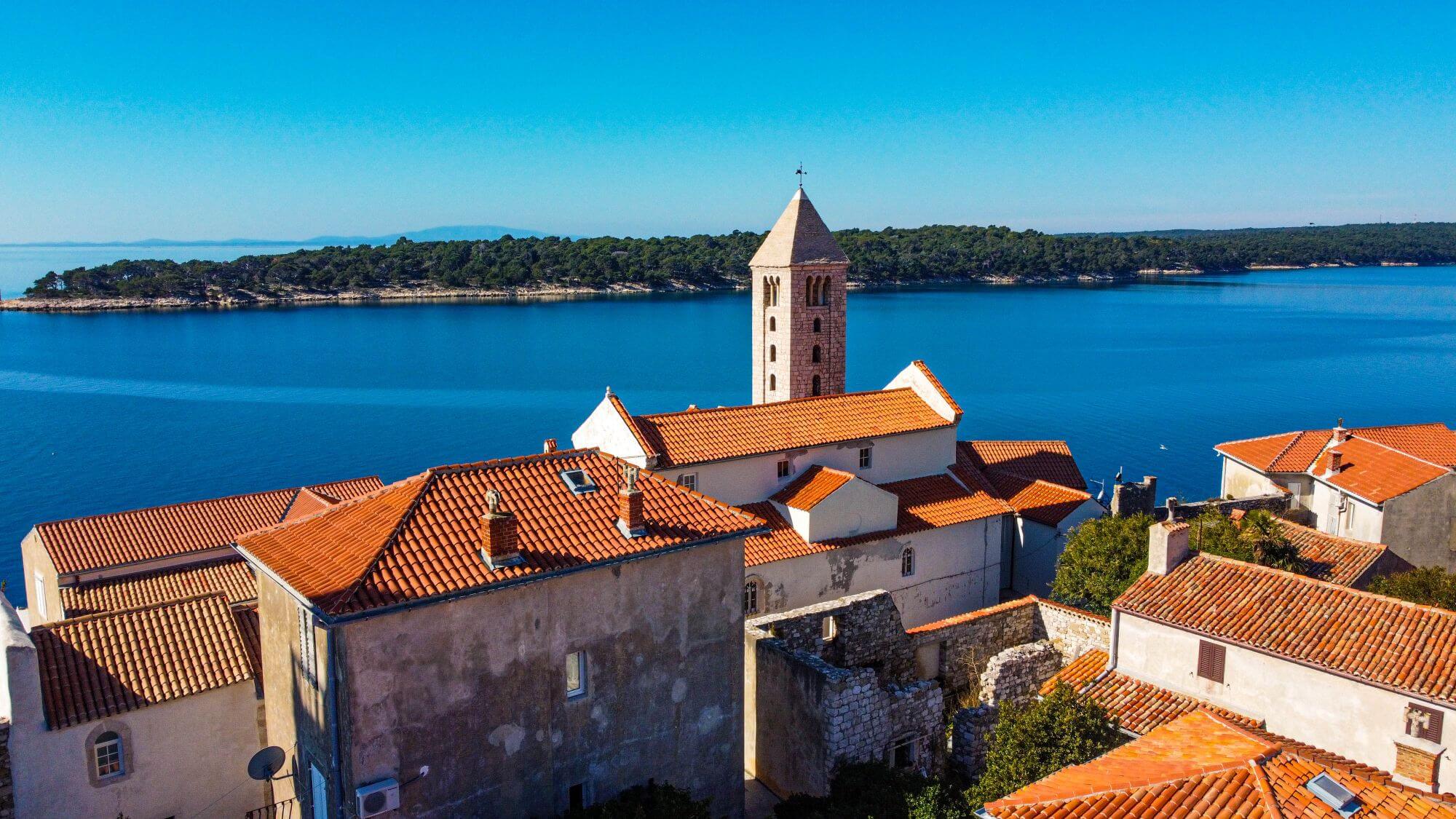
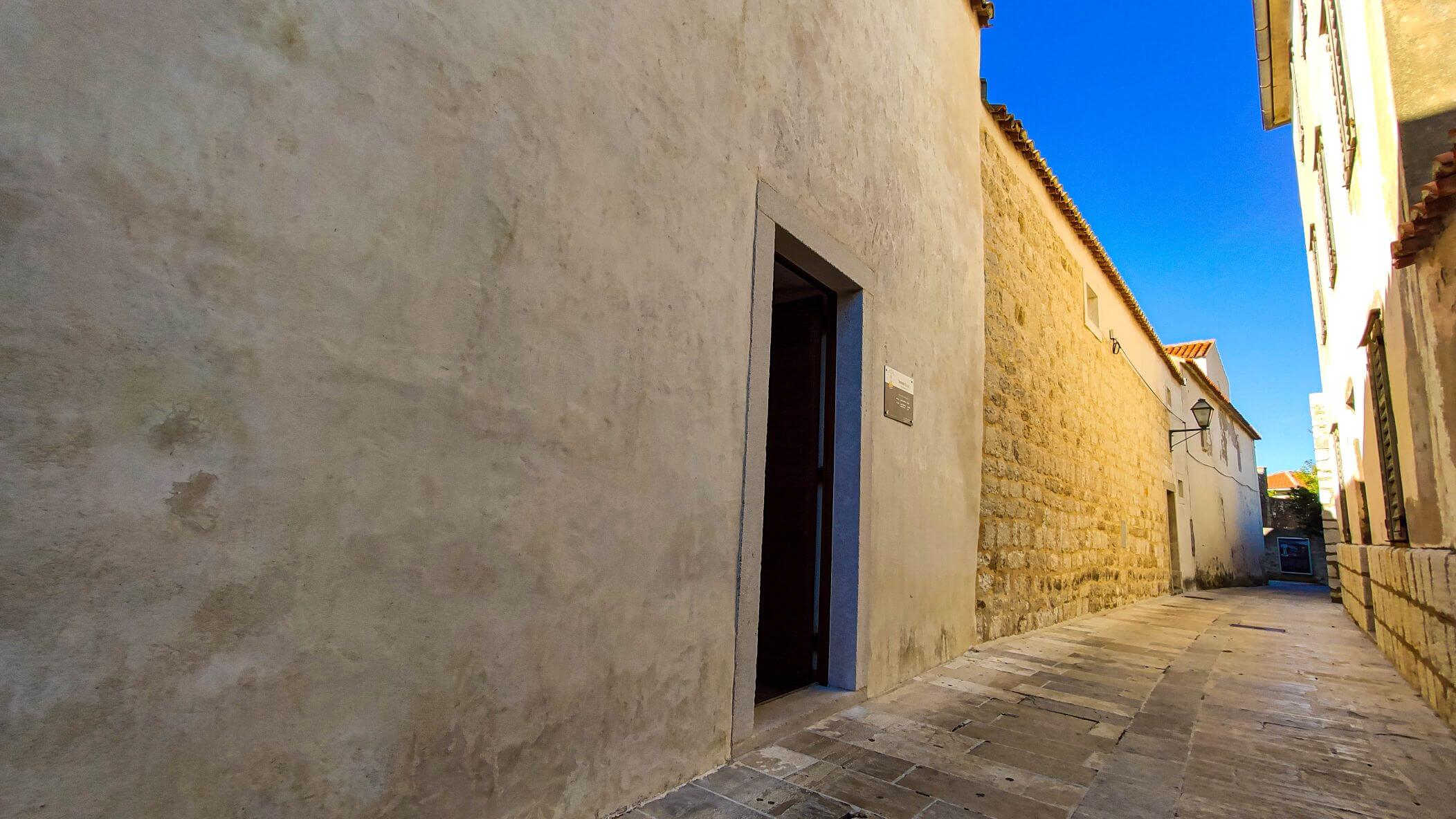
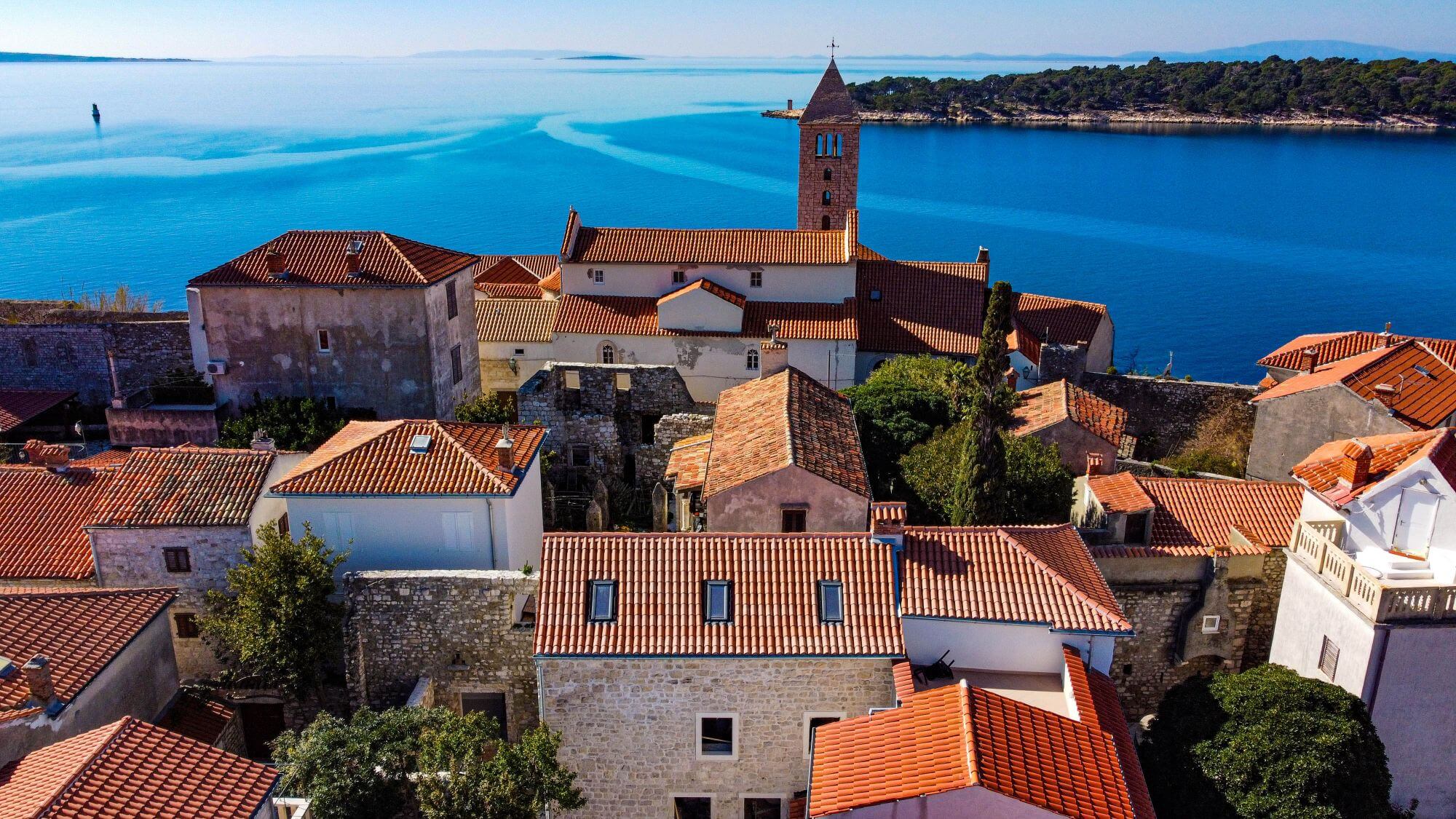
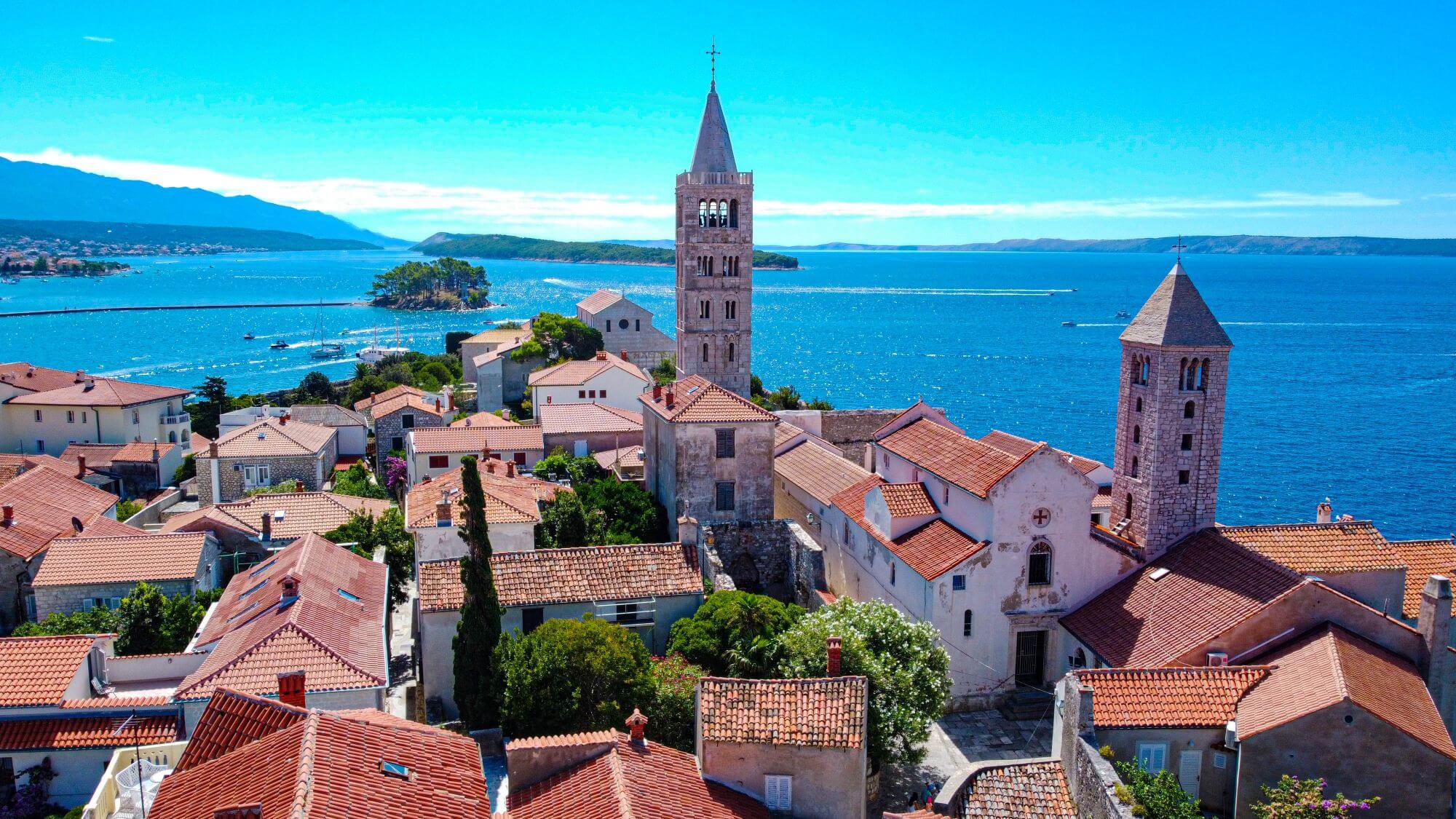
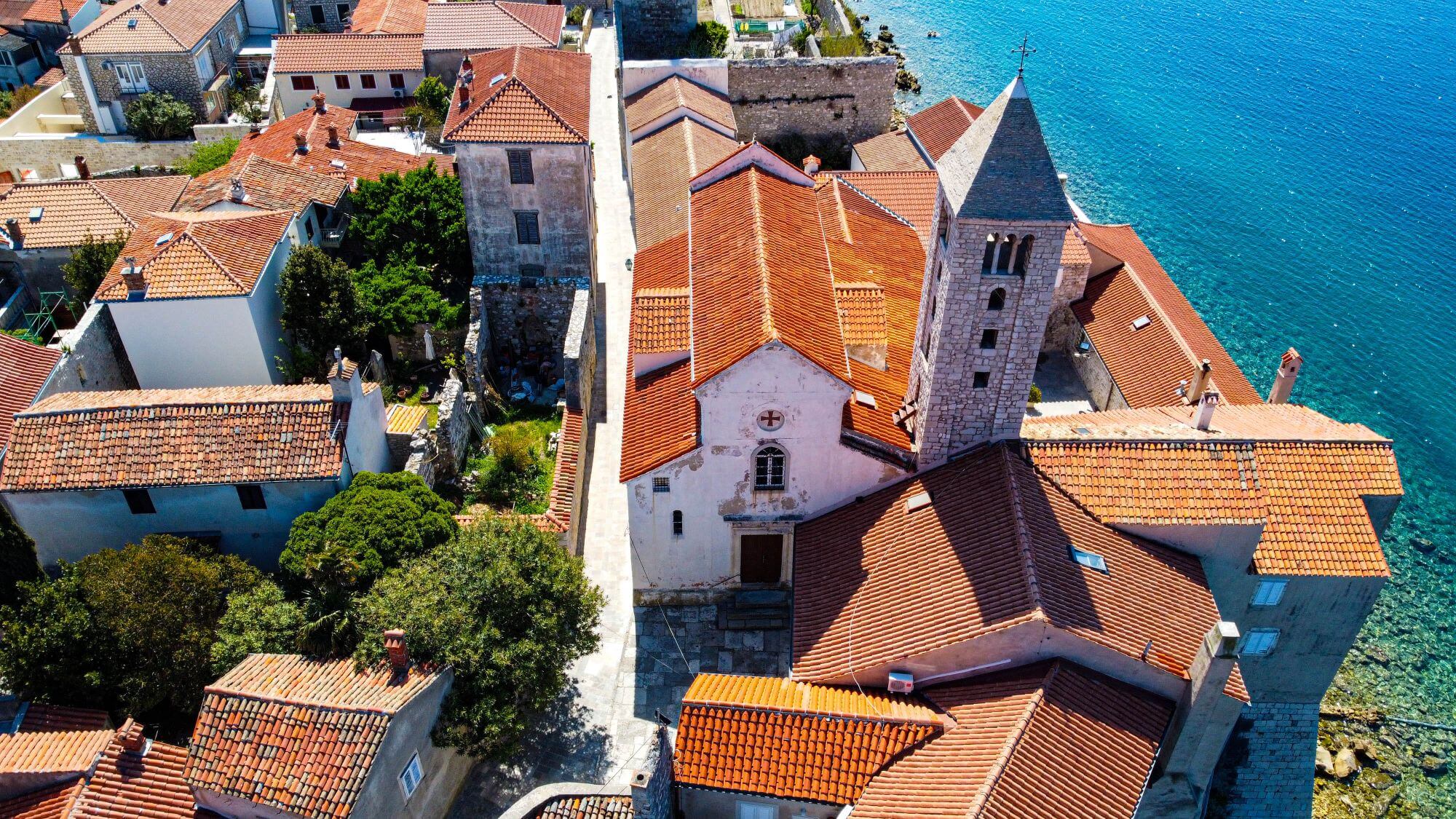
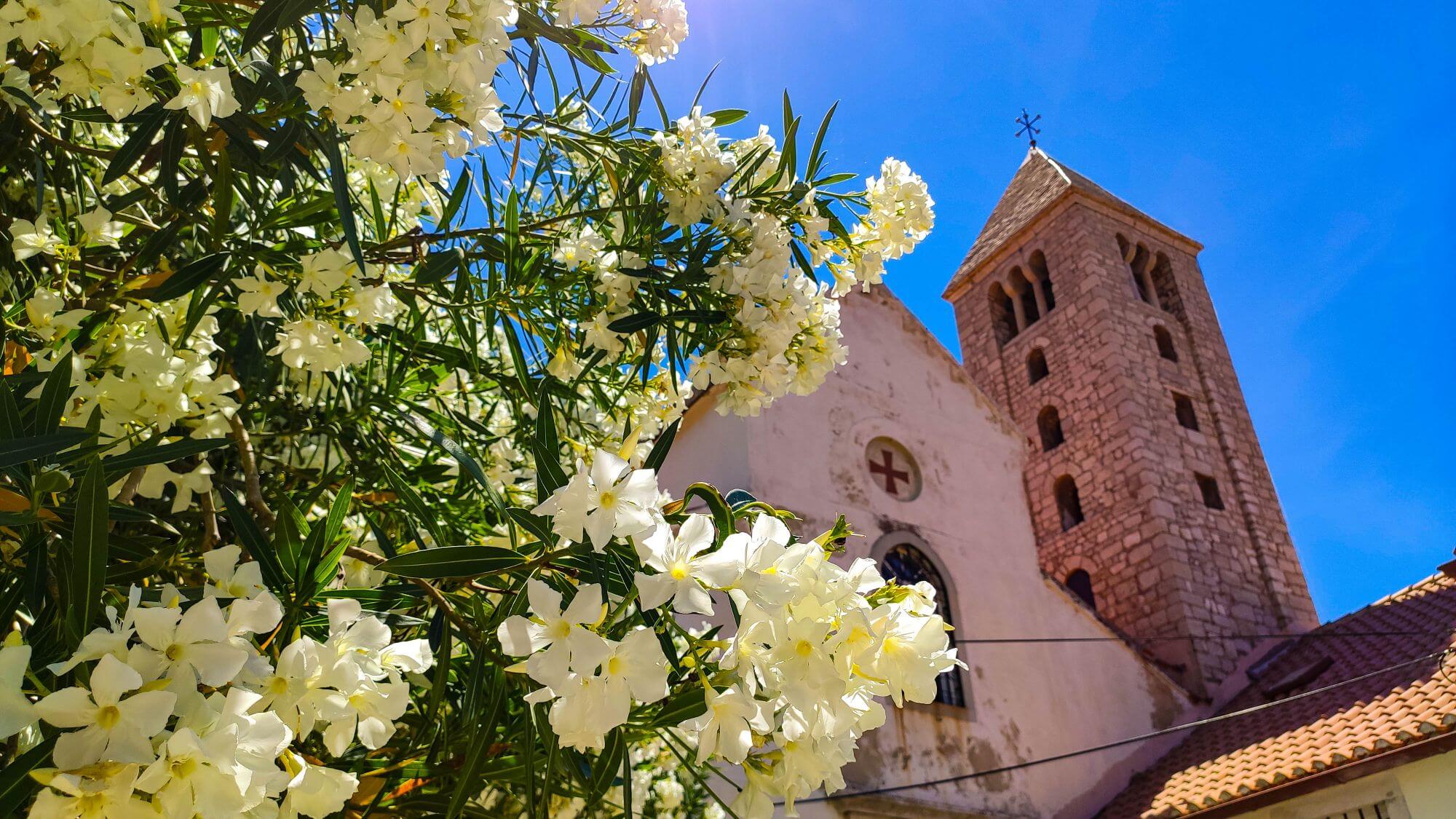
The Monastic church of St. Andrew was built before the monastery around the mid 11th century, indicated by its architectural features. It is a time when the early Christian architectural traditions came to life. The church is divided by four pairs of columns and five arches in three naves and three protruding semi-circular apses. Recent research has shown a high degree of preservation of the original parts of the church. Stone colonnade columns supported by profiled bases and the stone panels of the original floor that was some 20cm lower have been preserved. Two pairs of capital pillars are decorated with stylised palm leaves, emphasising the approach to the interior, and the three remaining pairs are decorated with acanthus leaves. The four arches between the pillars have been preserved, with the first pair being demolished due to the construction of the Late Baroque choir area above the entrance to the church. On the inner face of the facade wall and the walls among shrine apses, the imposts used to support the arches were found. Several fragments of the pre-Romanesque furniture were found inside the church and the monastery, with the column and the capital showing the birds belonging to the canopy above the altar (Lat. ciborium) being particularly impressive. In the course of history, the church was reconstructed several times, but has retained the appearance of the three-nave proto-Romanesque basilica. The last major reconstruction took place in 1765, when the interior of the church was decorated in Baroque style using ceiling mirrors and plaster (stucco) molding on the columns, bases and capitals.The choir area was built at that time and all the new altars, with the main one being the most significant, representing the greatest wood carving Baroque style creation on the Island of Rab. Above the altar, in the reconstructed northern apse, the valuable Late Renaissance wooden crucifix was found. Originally, there was a winged altarpiece made by Bartolomeo Vivarini in 1485 on the opposite northern altar, with a faithfully portrayed Virgin Mary holding the Child in the middle of the altarpiece. At the end of the previous century it was sold in the USA and is now located at the Art Gallery in Boston, with the original one being replaced by a reproduction.