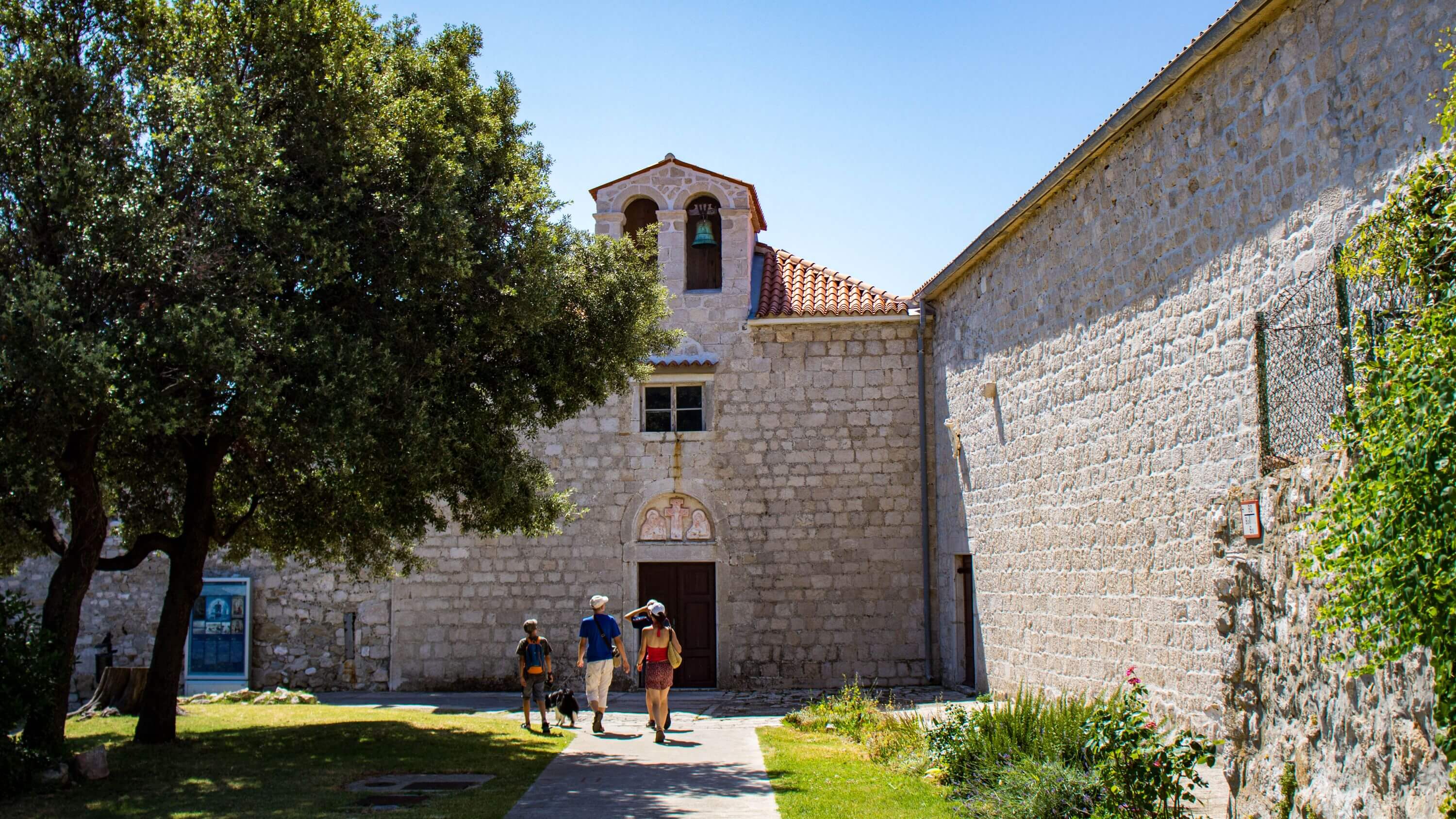
The Church of St. Anthony The Abbot
The Church of St. Anthony The Abbot
Churches
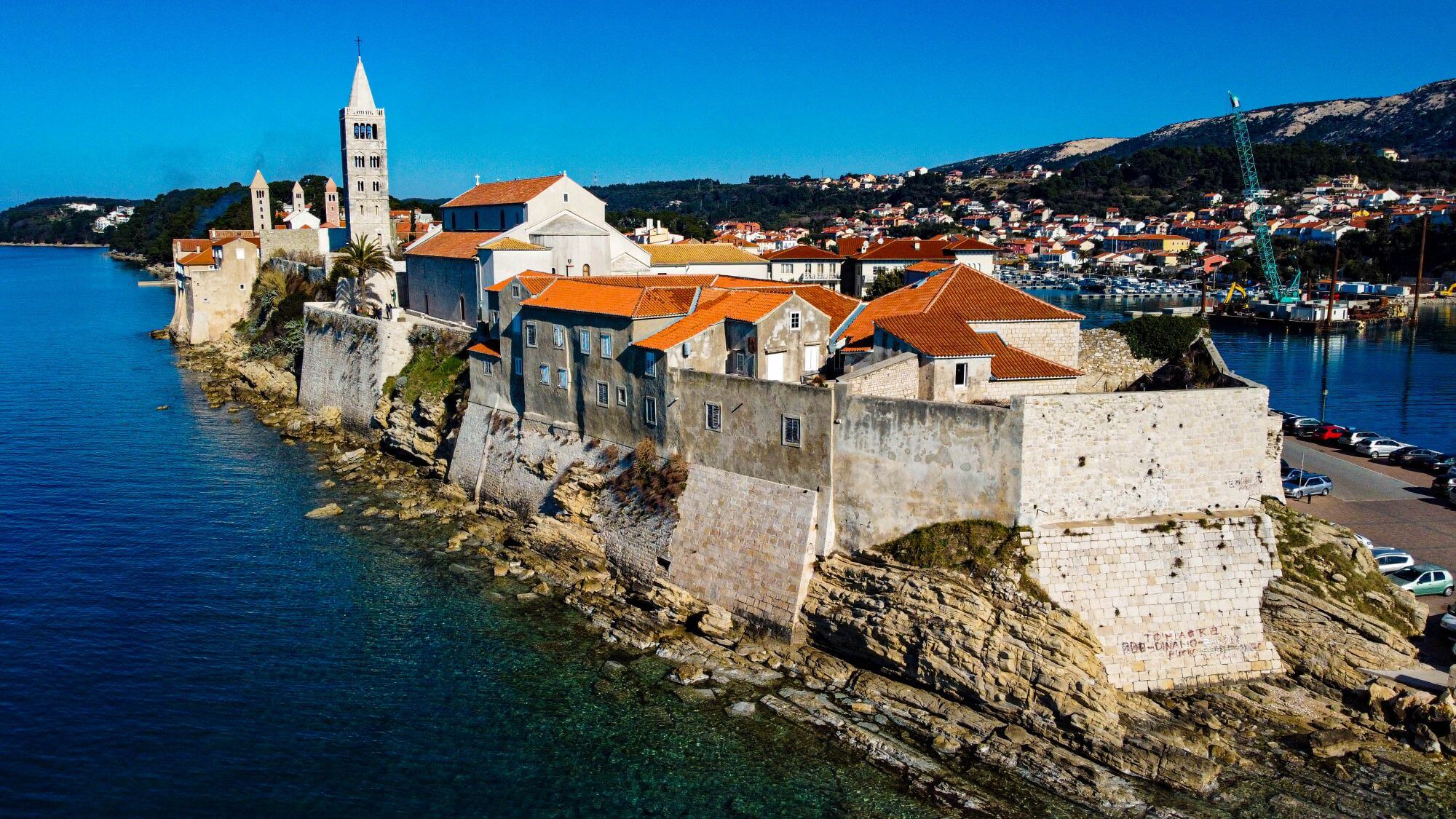
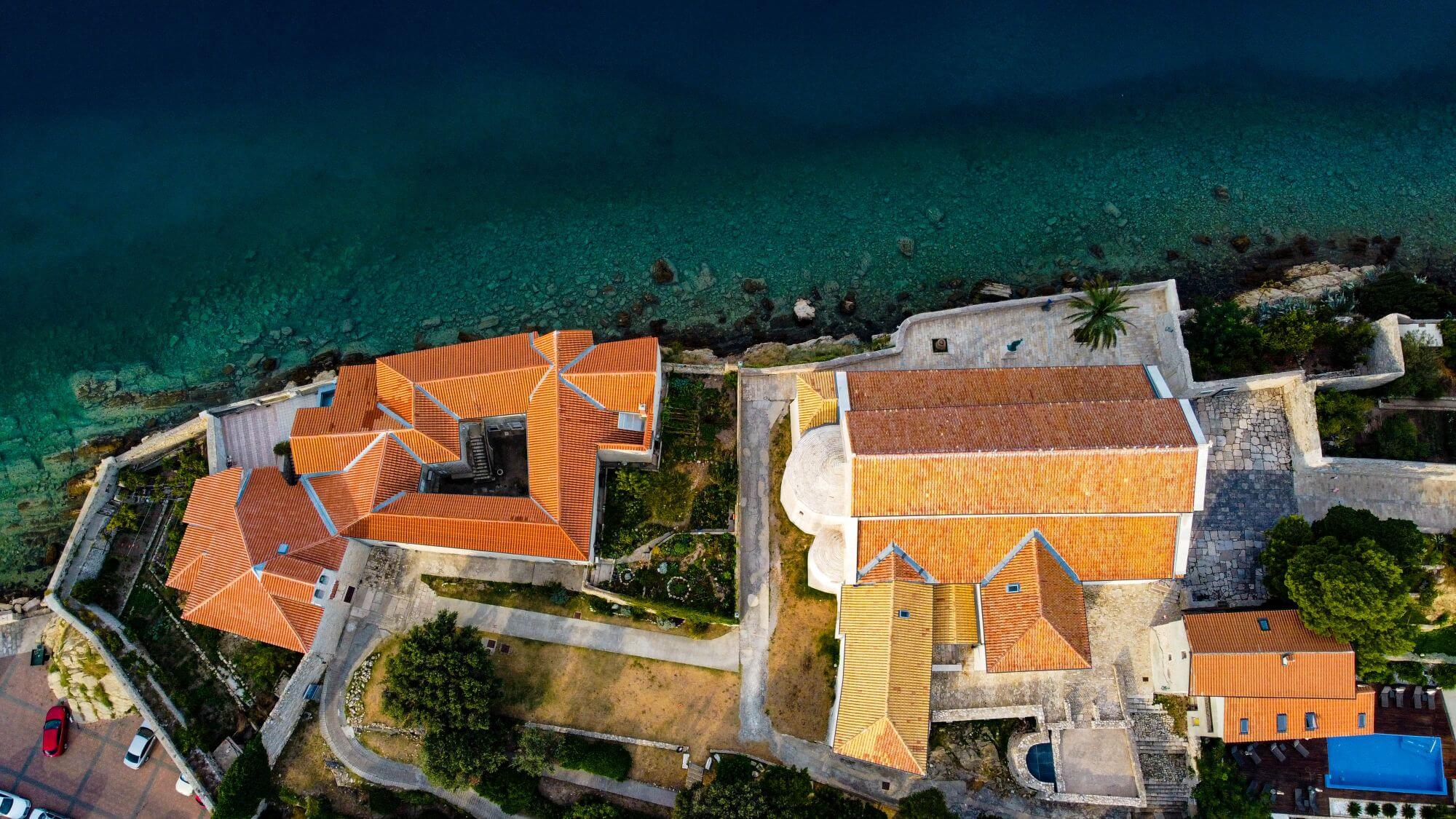
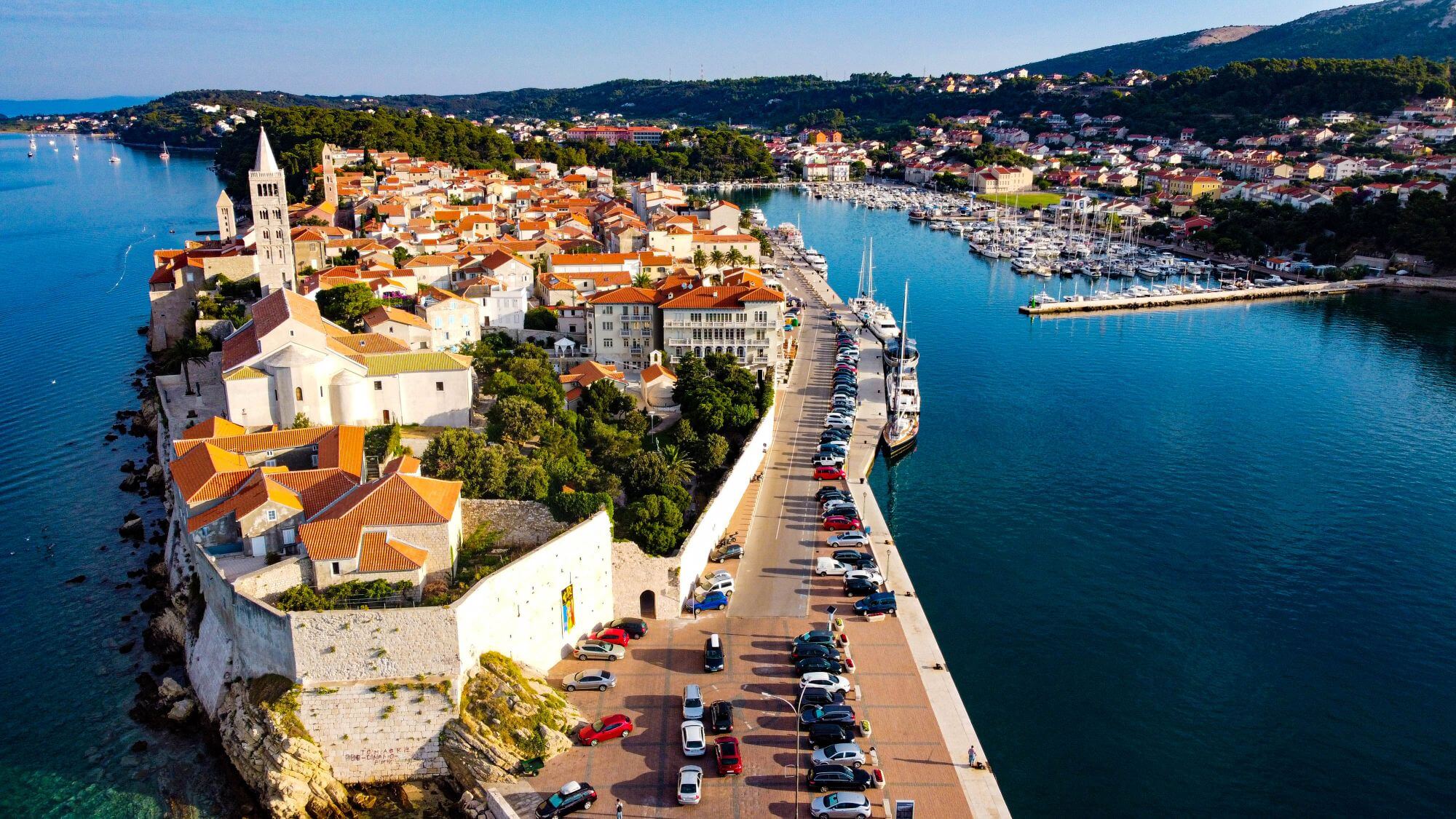
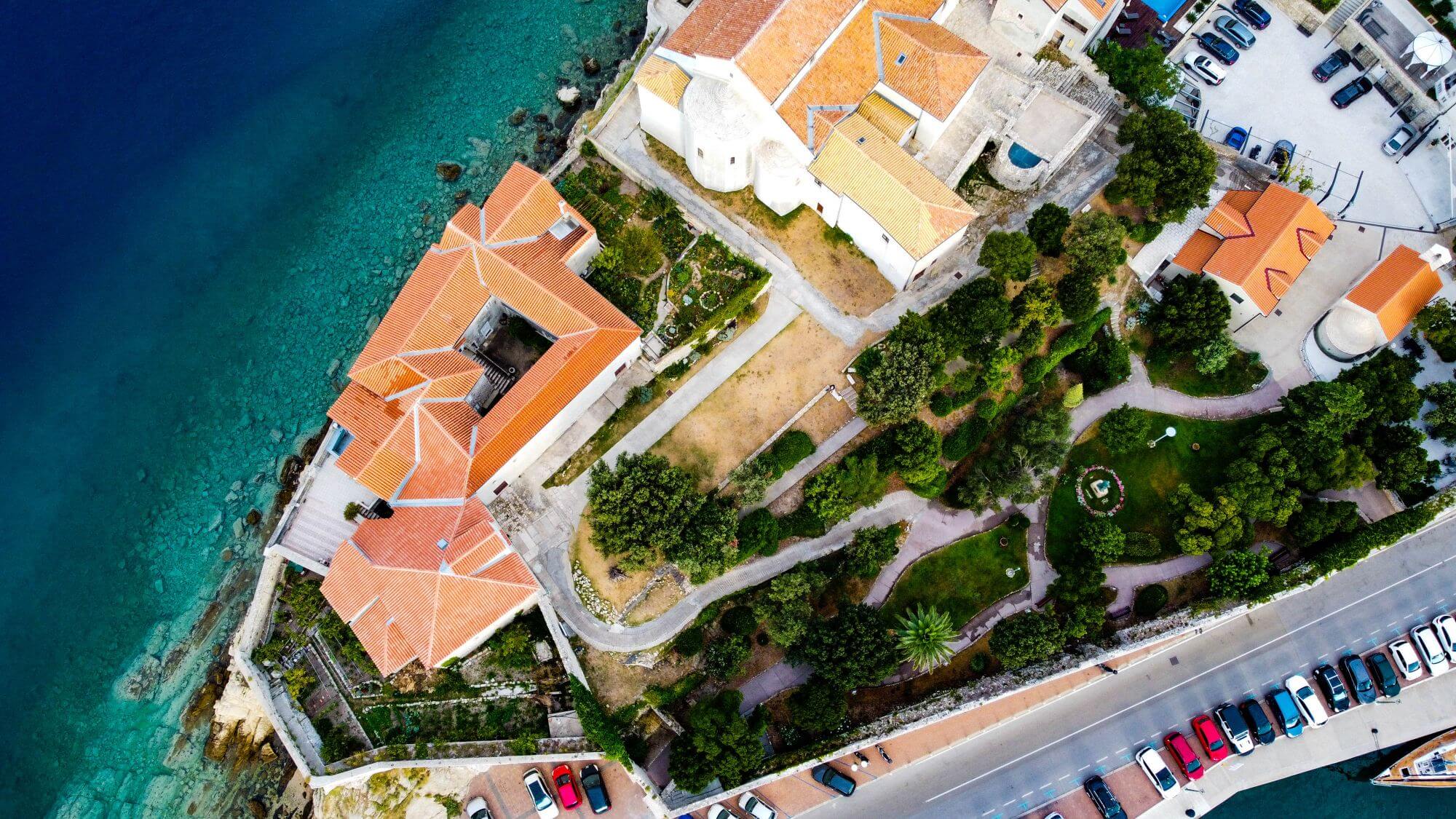
CHURCH IS LOCATED IN THE OLDEST PART OF THE TOWN OF RAB - DORKA
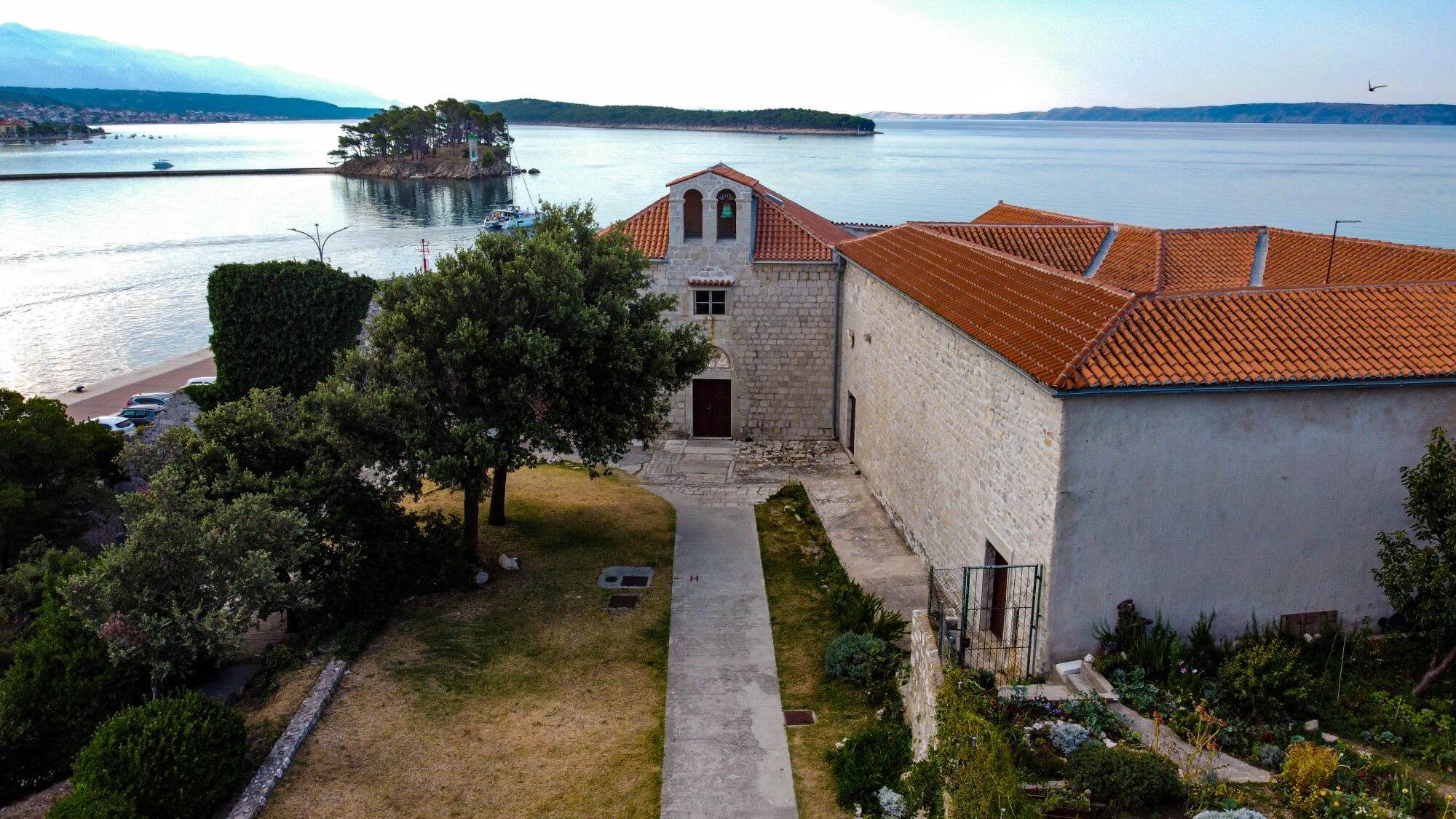
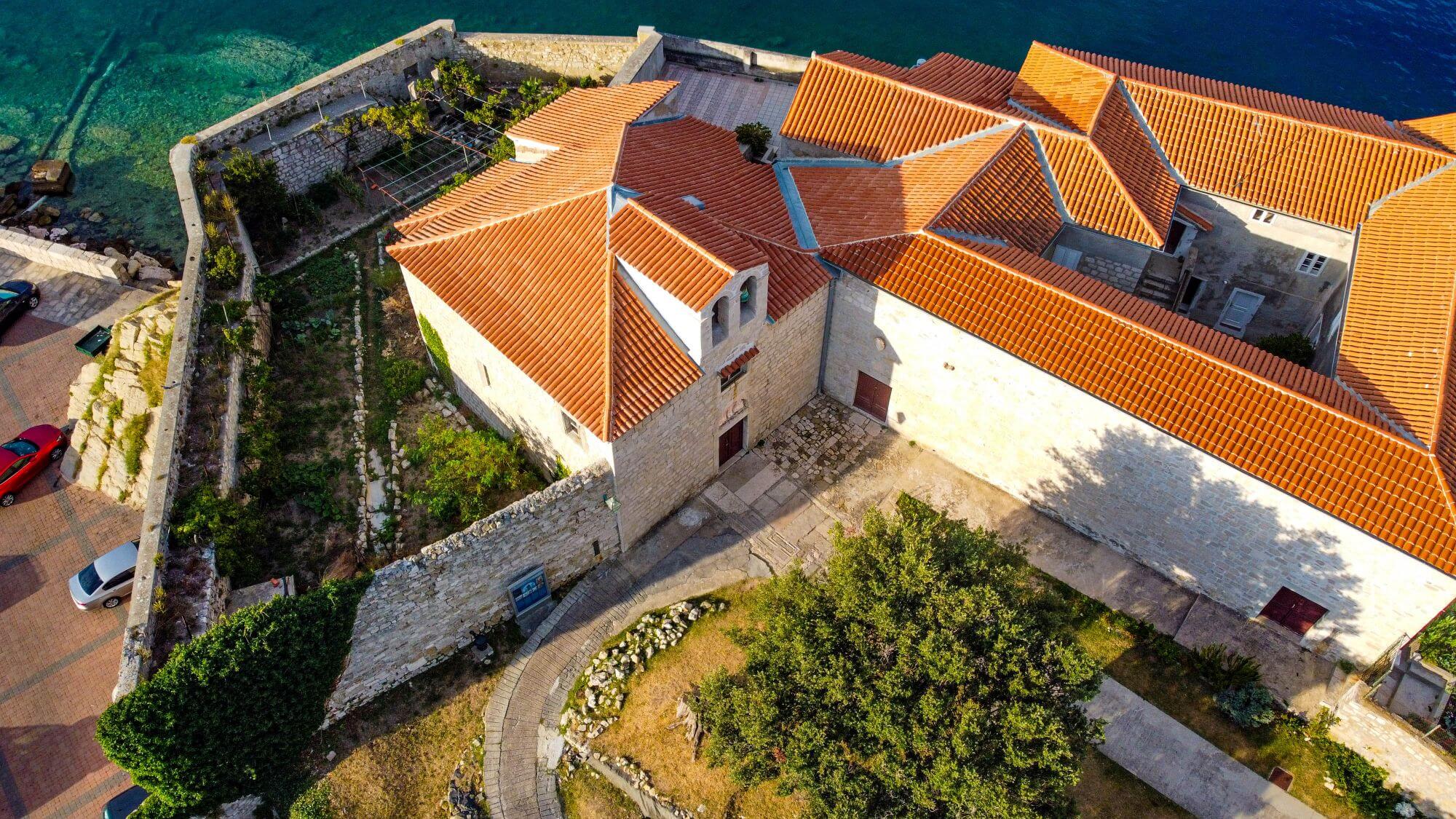
The small church is dedicated to St. Anthony the Abbot and was mentioned back in the 14th century. Today, it is a simple sigle-nave church of square ground floor and a rectangular shrine behind the Gothic triumphal arch with a ribbed vault. The shrine dates back to the period when the church was mentioned for the first time and probably represents its only remains, with the front of the church subsequently reconstructed. The fraternity of the Saint's worshippers was located next to the church, leased by the Duchess Žirovska Mande Budrišić during her stay in Rab, when she fled to the island escaping from the Ottomans in 1493. During the first half of the 16th century, the front part of the church was reconstructed.
VALUABLE WORKS OF ART
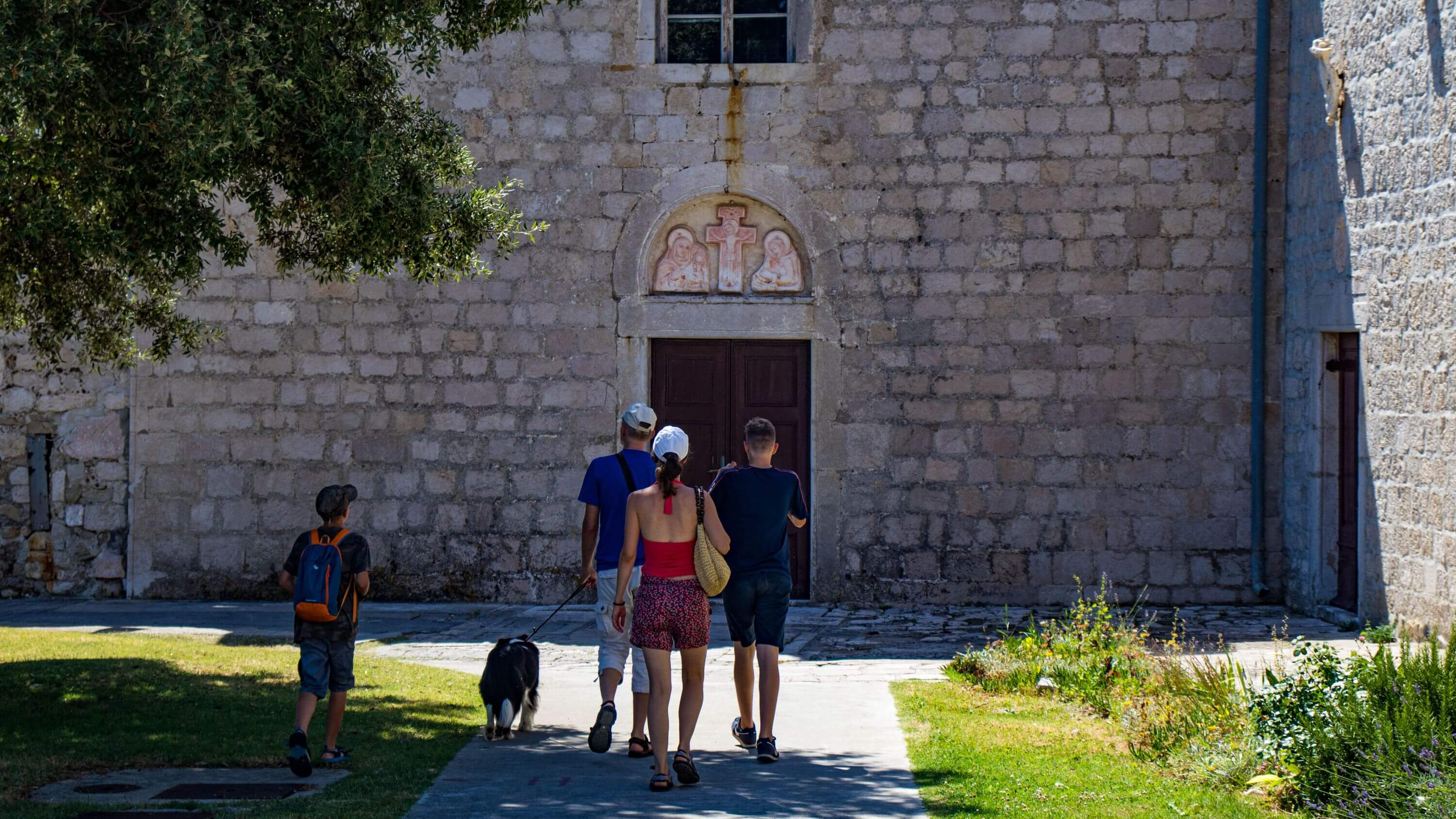
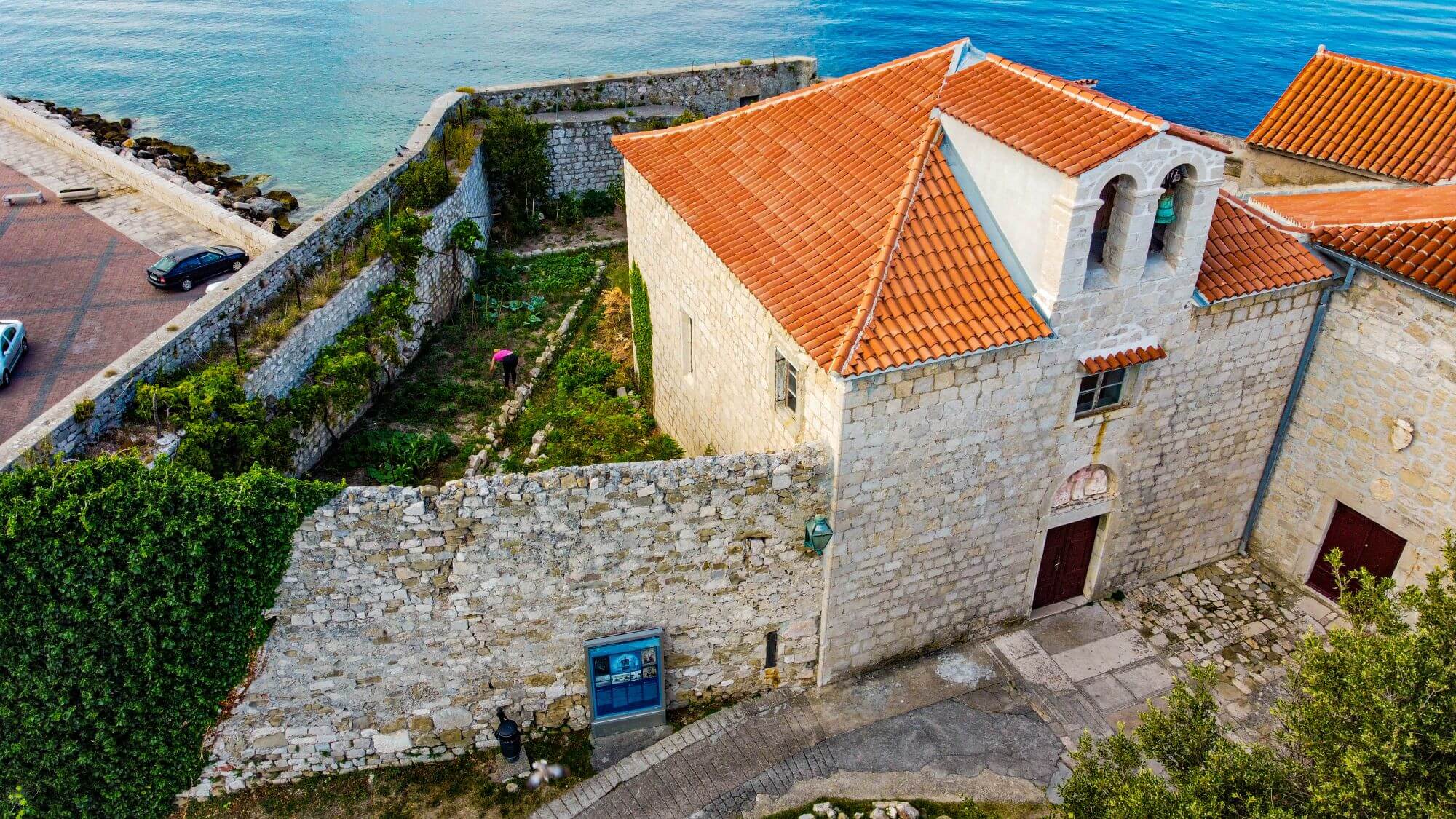
Inside the shrine, on the main altar with Renaissance features, you will find the sitting sculpture of St. Anthony the Abbot in the middle. To the left and to the right, you will see two wood panel paintings with the image of St. Christopher (sv. Kristofor) and St. Tudor, with the painting style resembling the one of the Venetian painter Bartolomeo Vivarini's workshop dating back to the 2nd half of the 15th century. Before the reconstruction of the church nave, there were numerous tombstones of the families from Rab, with fur of them preserved to this day. The paint depicting Jesus being taken down from the cross, a Baroque example from the end of the 17th century, is drawn on the southern gable. The church facade was built using a simple building technique, with the main church doorway surmounted by a semicircular lunette. Above it there is a rectangular window with two bells in the bell gable at the top.
MARINO BIZZA – THE ARCHBISHOP OF BAR – A BOLD HUMANIST TRAVEL WRITER
Marino Bizza (Rab, approx. 1570 – Rome, 1625), the Archbishop of Bar, the member of the old noble family of Bizza from Rab, was buried in the church. In addition to several (4) in-groud burial sites of the families from Rab found in the church, his tombstone has been preserved, dating back to the year 1625, the year of his death. The Archbishop of Bar was a peculiar person of Late Humanity. He was the writer of an extensive travel report dating back to 1610 across Serbia, Montenegro and Albania, the territory of his archdiocese under Ottoman rule at that time, where he visited Roman Catholic worshippers. The report has become an important document for studying the history of the territories under the Ottoman rule. He obtained the permission to travel there by the Turkish Pasha Mahmud who was originally from the Island of Rab.