The Monastery of St. Euphemia
The Monastery of St. Euphemia
Monasteries
THE FRANCISCAN MONASTERY WITH THE MUSEUM INSIDE
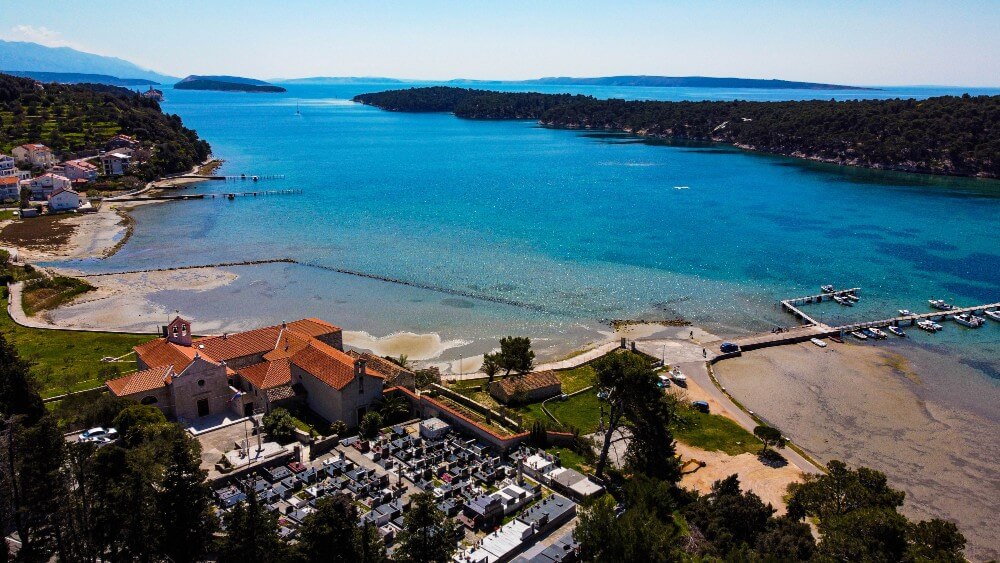
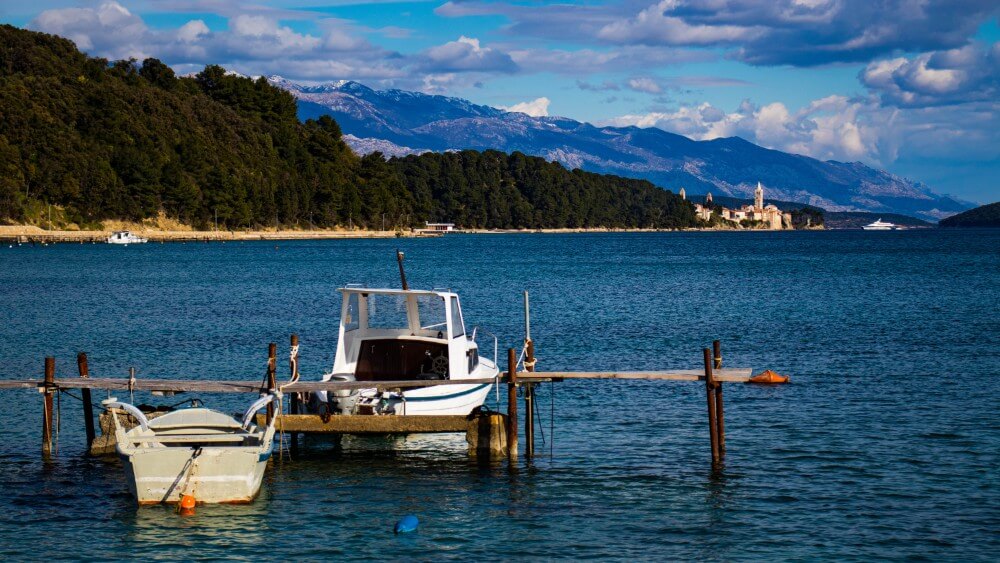
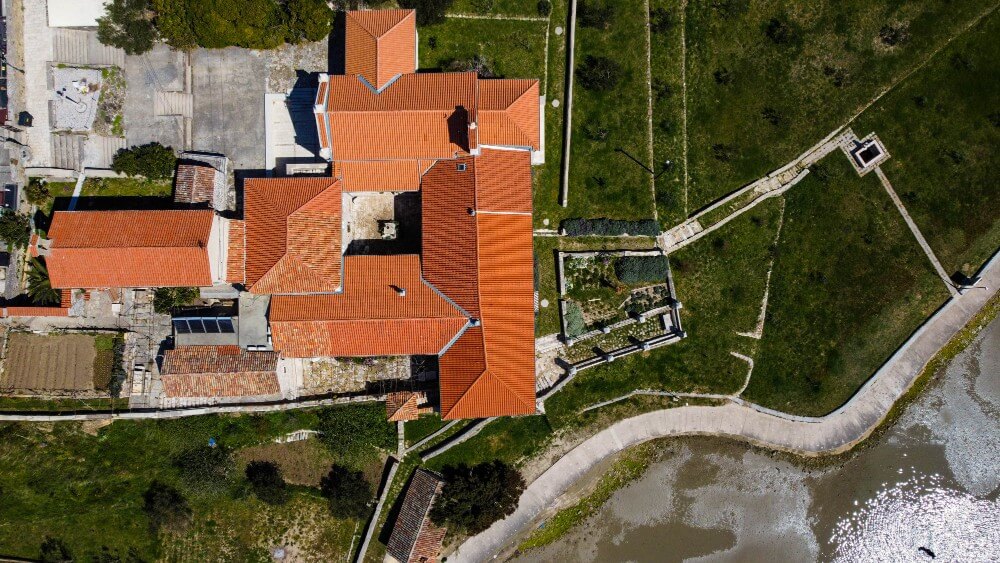
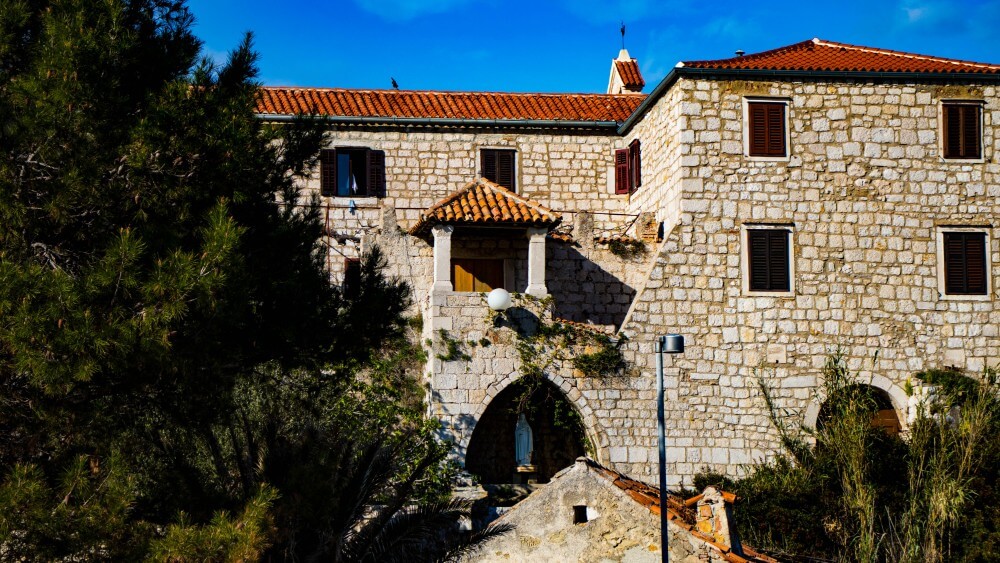
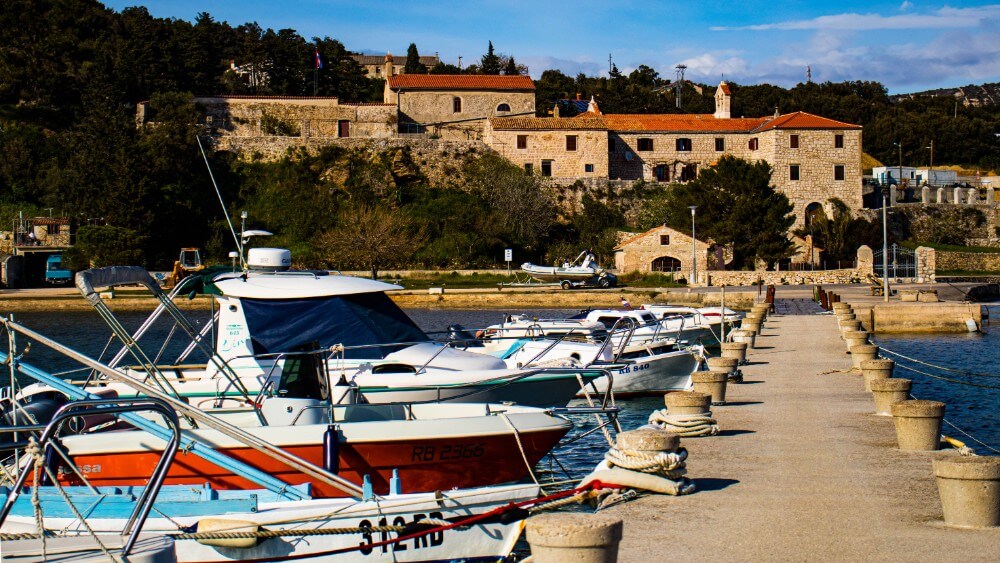
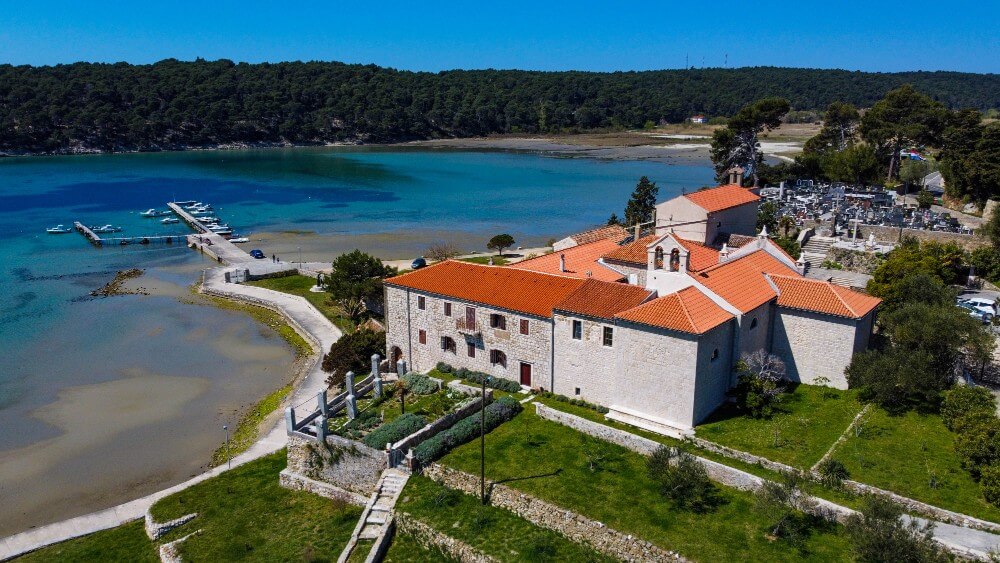
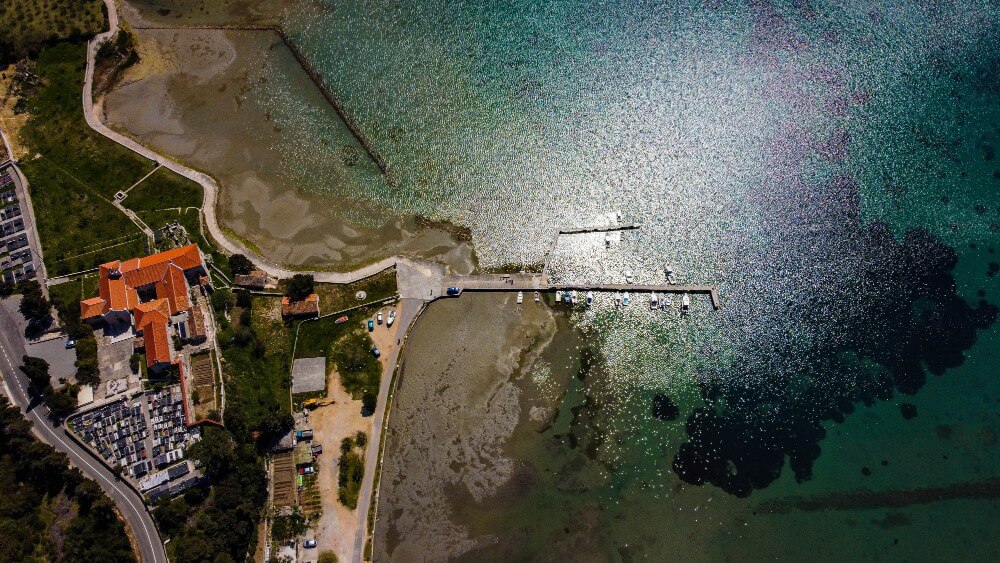
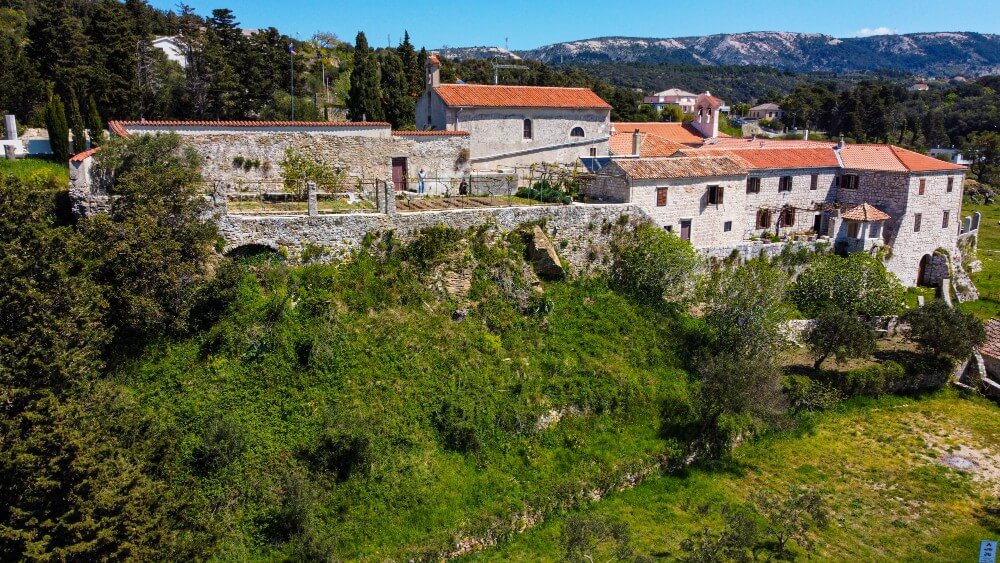
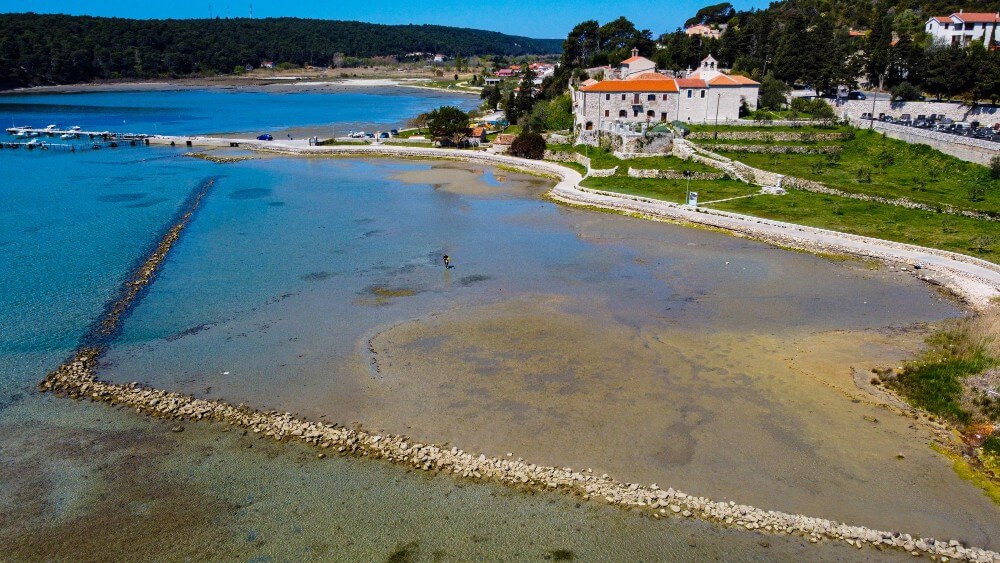
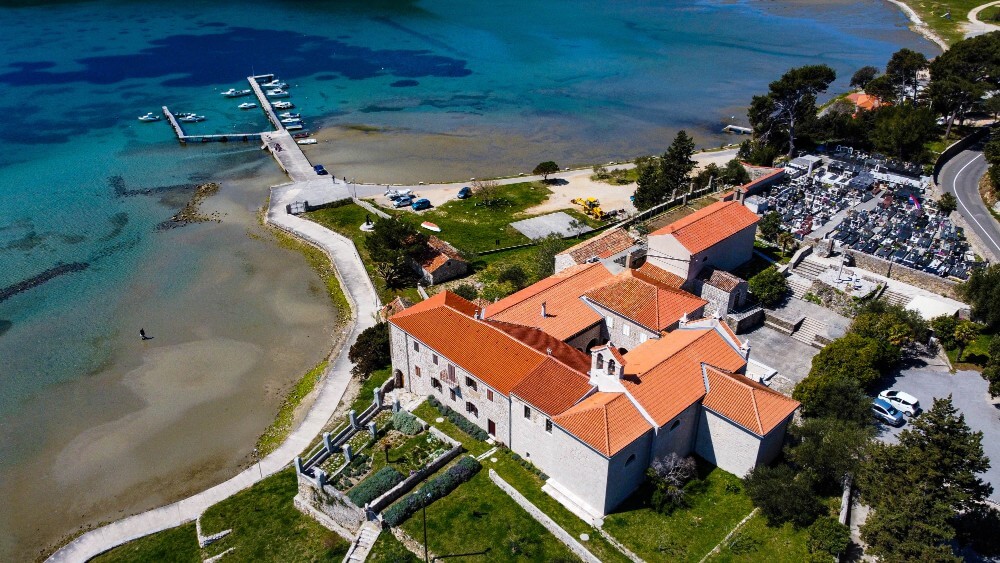
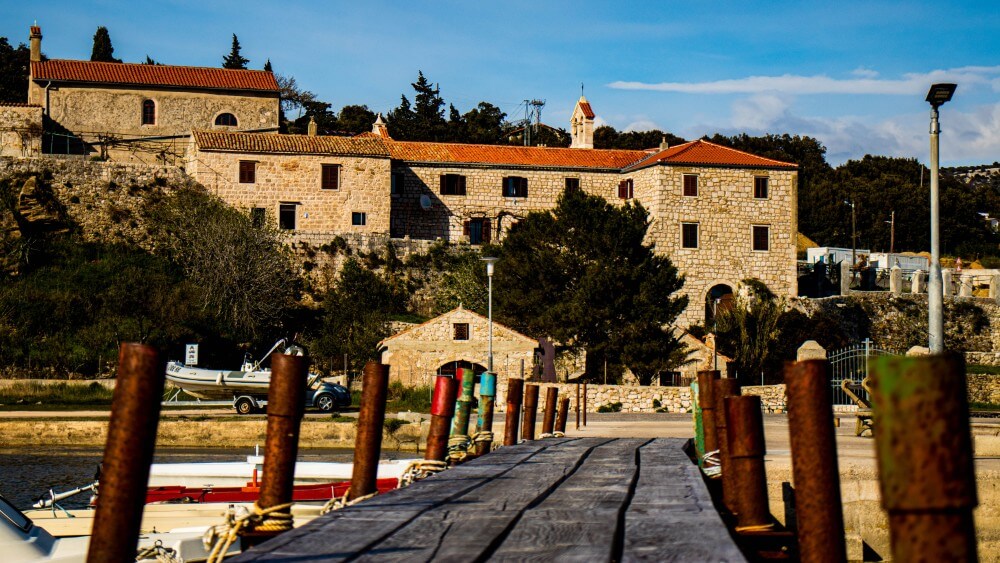
At the bottom of the most picturesque bay of Rab, the Bay of St. Euphemia, you will see the Franciscan monastery bearing the same name. The name of the bay and the monastery is derived from the small church of St. Euphemia mentioned for the first time in the 13th c., probably built in the Early Christian style to honour the Chalcedon martyr from the 3rd c. The monastery is a typical building erected by Franciscan monks and blended perfectly with the environment complementing it with its architectural excellence.
THE CURCH OF ST. EUPHEMIA
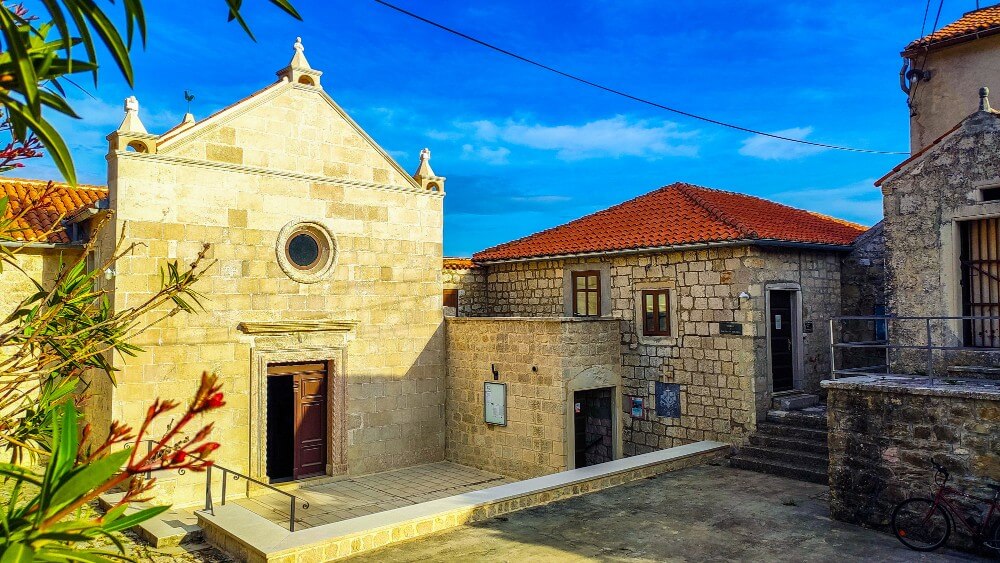
The essential part of each and this monastery is its church. It is probable that the mentioned Church of St. Euphemia was located here as a simple, single-nave building reconstructed several times, but certainly dating back far earlier that the 13th c., when it was mentioned for the first time.
THE CURCH OF ST. BERNARDINO OF SIENA (CRO. SV. BERNARDINO SIJENSKI)
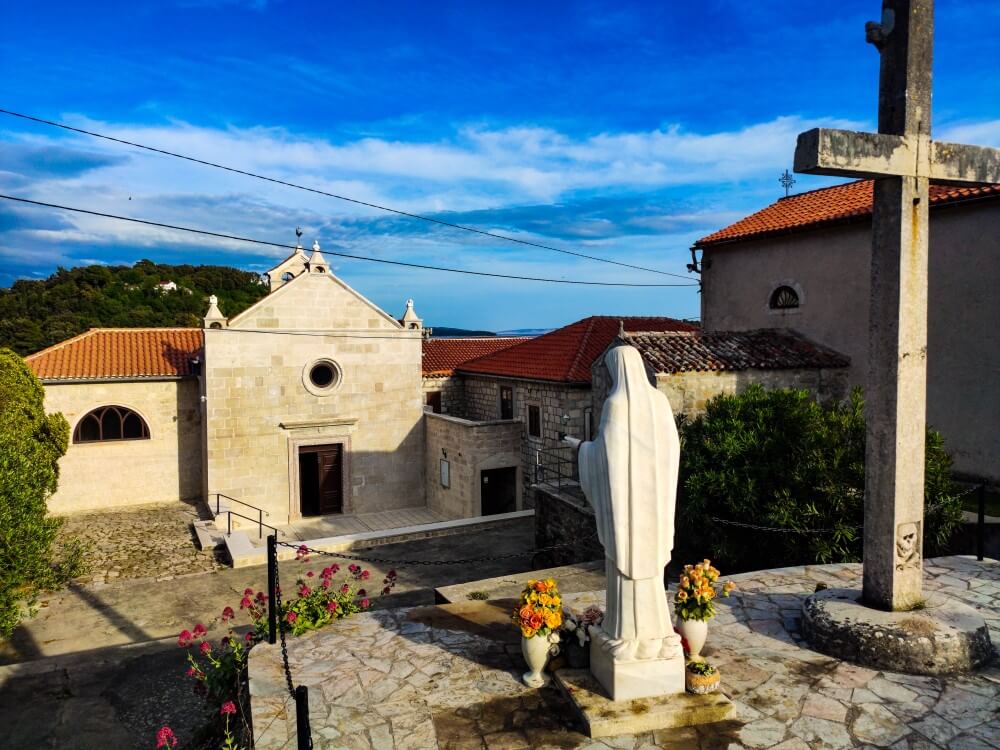
Wishing to express the particular veneration for St. Bernardino of Siena who was canonised at that time, a new building was built as part of the monastery which was named after him. The church is a single-nave religious building.
A VALUABLE POLYPTYCH MADE BY THE VIVARINI BROTHERS AND A STUNNING WOODEN CRUCIFIX
At the main altar located in the church sanctuary, there is a painted polyptych inside a carved and gilded Late Gothic frame. In 1458, the polyptych was painted by the Vivarini brothers, the most prominent members of the Venetian painting workshop of that period. Today, the Chapel of St. Cross (Cro. Sv. Križ) is located adjacent to the southern side of the sanctuary. A stunning wooden crucifix is hanging on he eastern wall at the wooden altar of the chapel. In 1669, a new ceiling tabulate with 27 painted scenes from the life of St. Francis (Cro. Sv. Frane) and other Franciscan saints has been placed.
THE SARCOPHAGUS OF MANDA BUDRIŠIĆ, THE FOUNDER OF THE FRANCISCAN SISTERS' MONASTERY IN THE TOWN OF RAB
In the cloister of the monastery, in the middle of which there is an impressive stone well cover, as well as the said inscriptions and the tombstone, confirming the foundation of the monastery and another tombstone from the Roman period, the sarcophagus of Magdalena Budrišić who was the founder of the monastery of the Franciscan Sisters of Rab. She died in the monastery in 1532.
THE INESTIMABLE VALUE OF THE MONASTERY MUSEUM
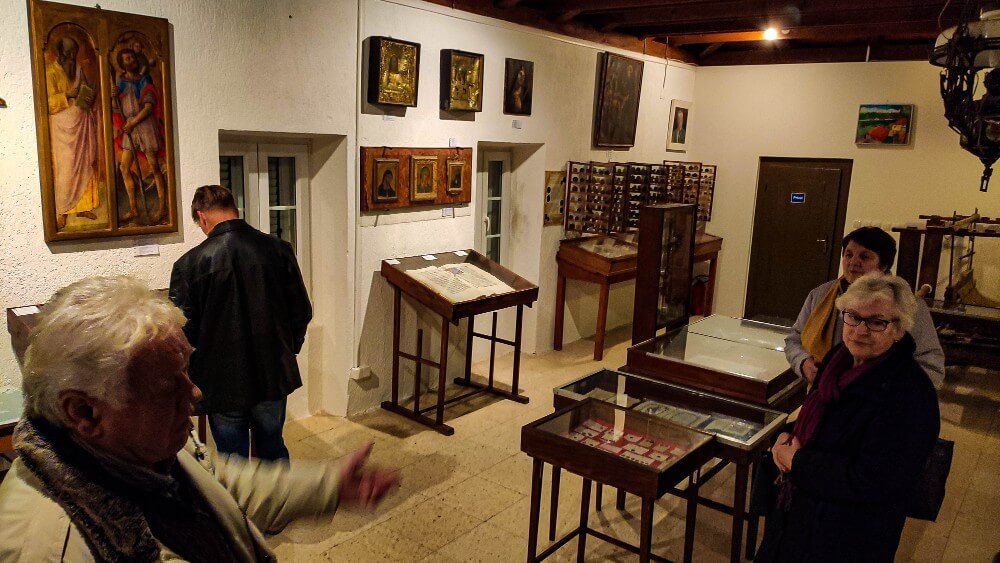
Today, the monastery library has got over 7,000 books dating back to the 15th c. the number of which keeps increasing, in particular, the handwritten work in six thick volumes written by Friar Odorik Badurina (1896 - 1969) , entitled 'The Chronicles of Kampor' (Cro. Velika kamporska kronika). The monastic museum contains valuable paintings, manuscripts, incunabulas, parchments depicting the foundation of the monastery, artifacts belonging to different epochs, a valuable ancient coin collection, etc.
THE MONASTERY CONSTRUCTION CHARTER MENTIONS THE CROATIAN NAME OF RAB FOR THE FIRST TIME
The Croatian name of the Island of Rab is formed by a metathesis from the same root of the word (od Arb) and was mentioned for the first time in 1446 in the construction charter of the Franciscan Monastery of St. Euphemia in Kampor.
THE PERMANENT EXHIBITION OF THE PAINTER, FRIAR AMBROZ, IN THE CHURCH OF ST. EUPHEMIA
In 1989, the reconstructed older church of St. Euphemia hosted the permanent exhibition of the Friar Ambroz Testen (1897 - 1984), the artist who painted constantly during his stay at the monastery. (IP)