Upper Street
Upper Street
Streets
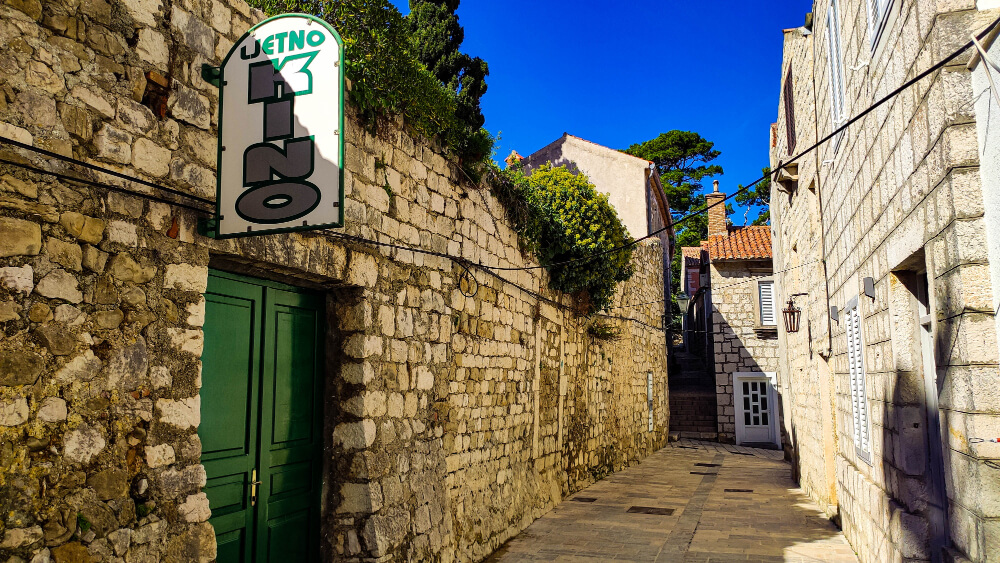
GORNJA ULICA IS FULL OF SACRAL BUILDINGS
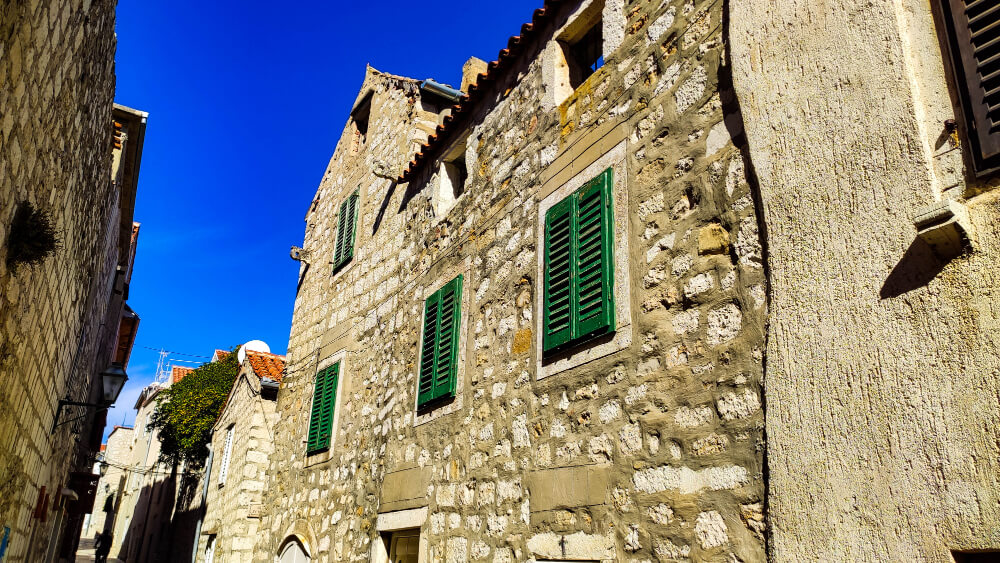
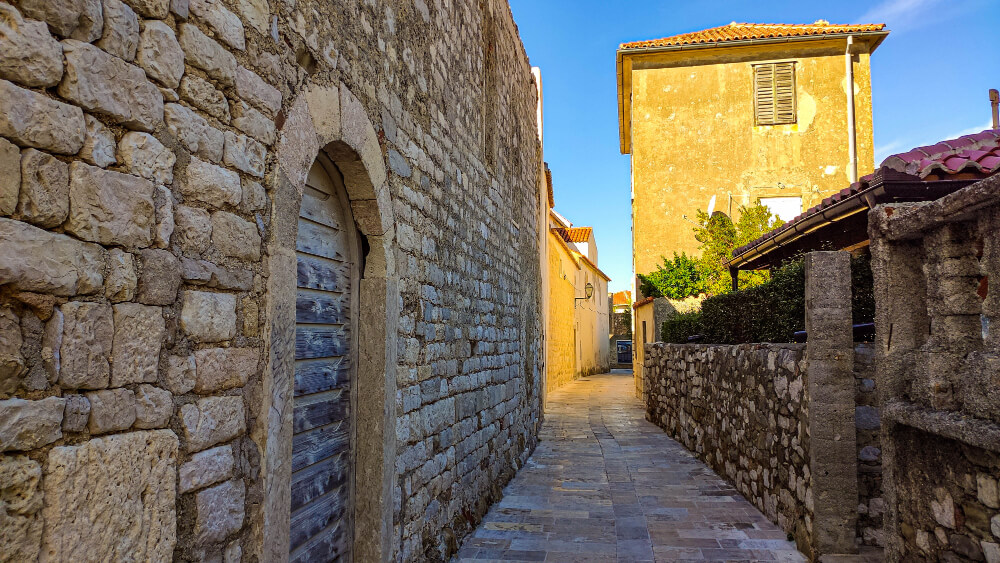
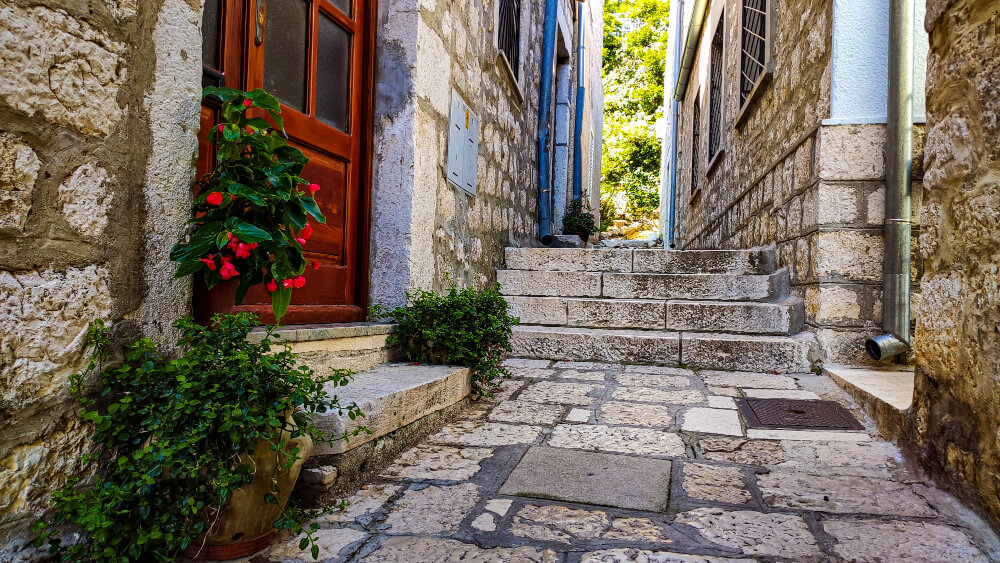
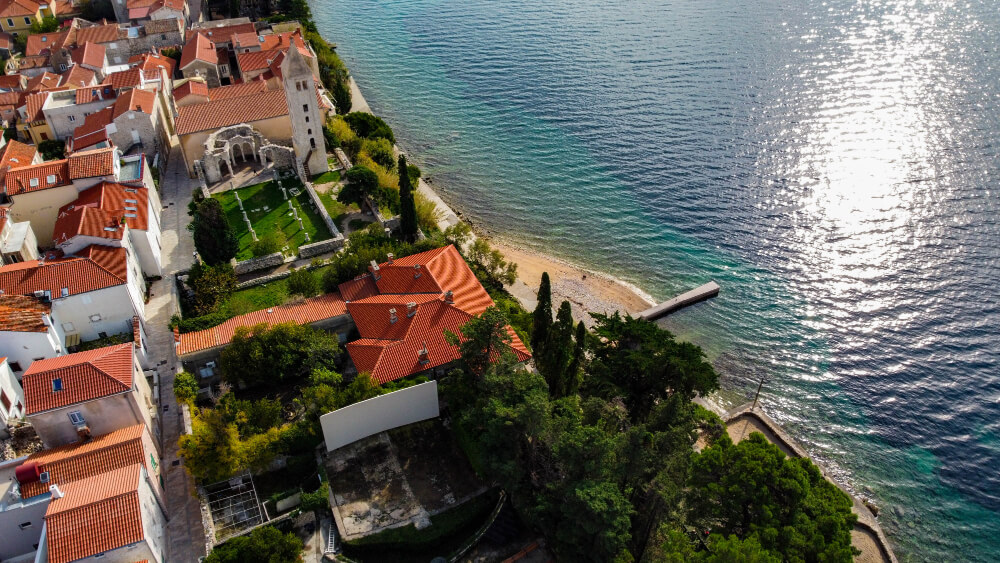
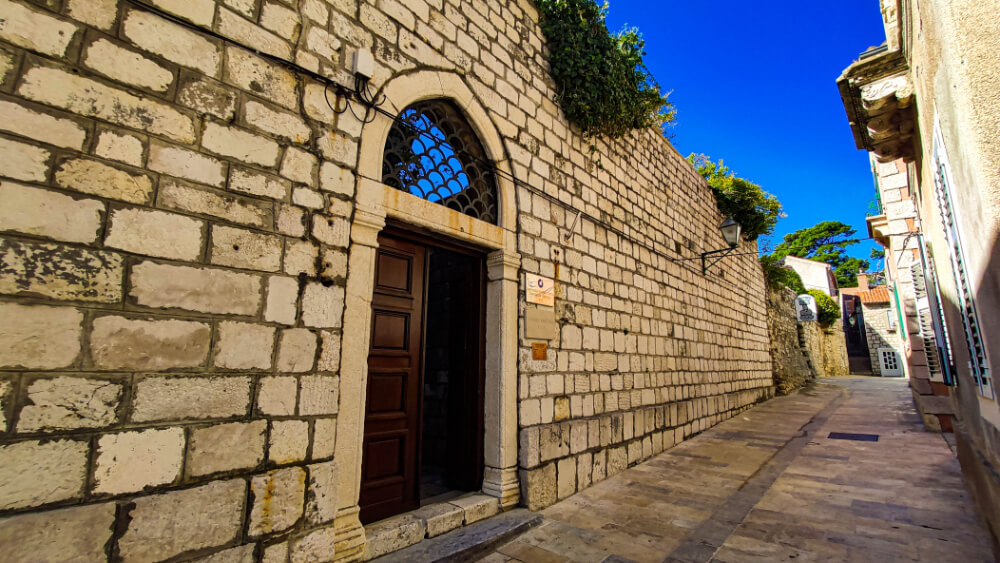
Srednja and Gornja streets have been competing for primacy for centuries. Owing to the sacral buildings erected in it, Gornja ulica, became more significant in the 4th century when Christianity became the established religion, and the situation remained the same until the 19th c. Such buildings were erected at the sites of important public and cultural Roman monuments significant in the life of the ancient town. Some researchers believe that Gornja ulica was the main axis road at that time. The continuity of cultural and sacral buildings erected in this street can be traced back to Antiquity, meaning that this highest longitudinal part of the town was an acropolis.
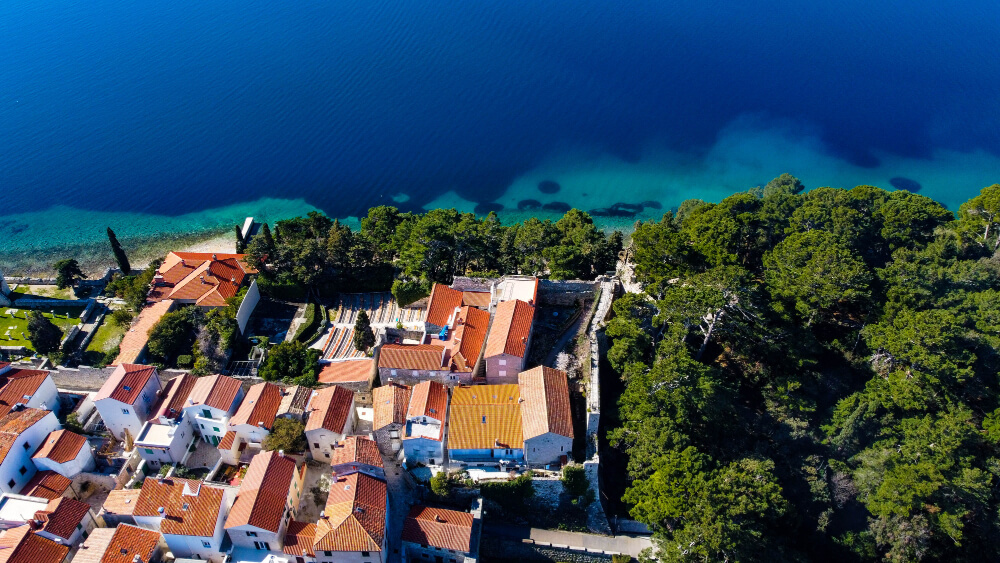
GORNJA ULICA STRETCHES ALONG THE HIGHEST PART OF THE PENINSULA WITH A VIEW OF THE OPEN SEA
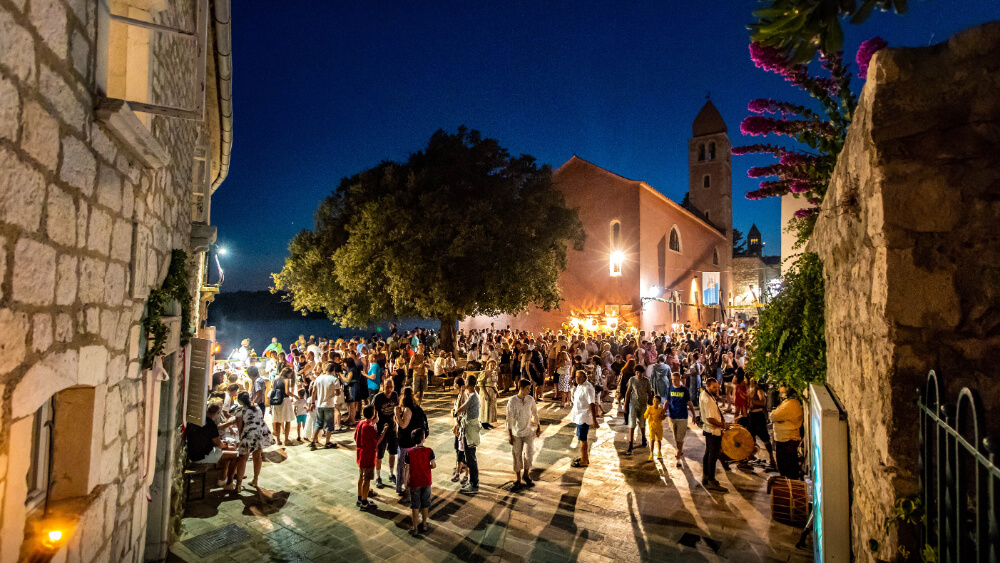
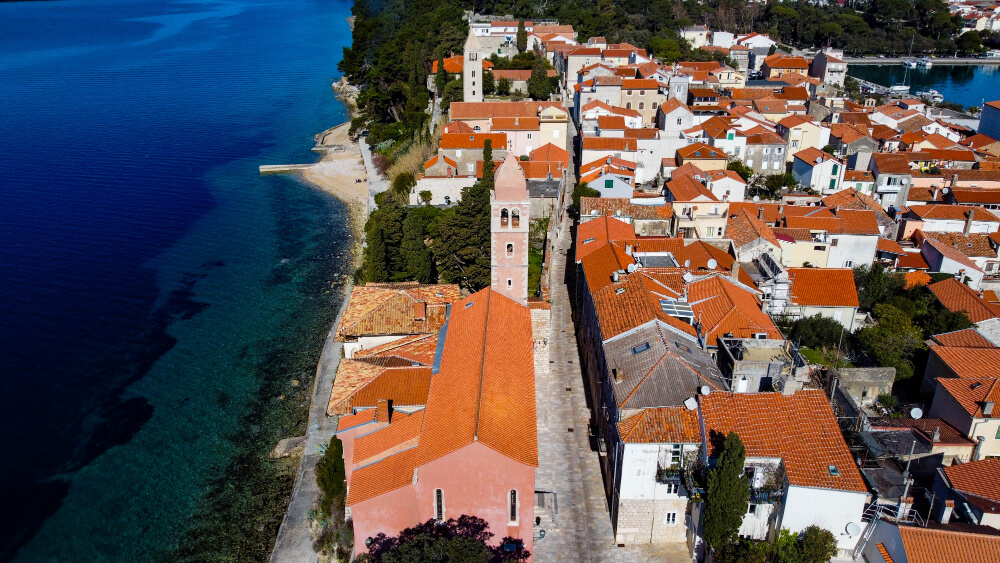
It stretches from the Tower of St. Christpher (Sv. Kristofor) i the far northwest to the Cathedral and the church with the monastery of St. Anthony the Abbot (Sv. Antun Opat) in the west of the top of the peninsula. Its picturesque scenery is emphasised by a constant change of the urban landscape, with alternating valuable sacral monuments dating back to different historical periods and built in different styles. However, the Romanesque style of Late Middle Ages is predominant, playing a significant role in the formation of towns as independent communes on the Adriatic coast.
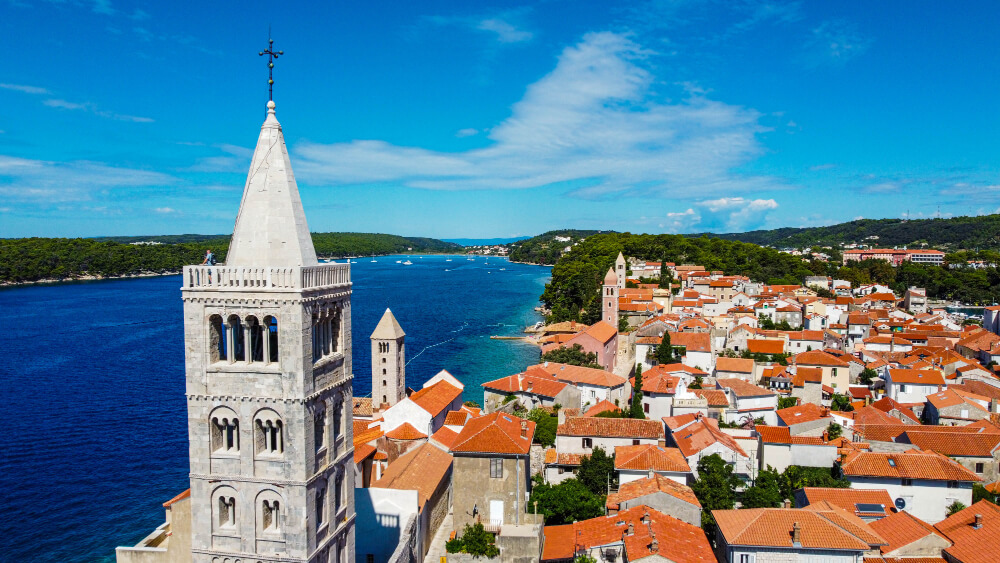
FOUR BELL TOWERS ON THE HAPPY ISLAND – THE PANORAMIC VIEW RAB IS FAMOUS FOR IN THE WORLD
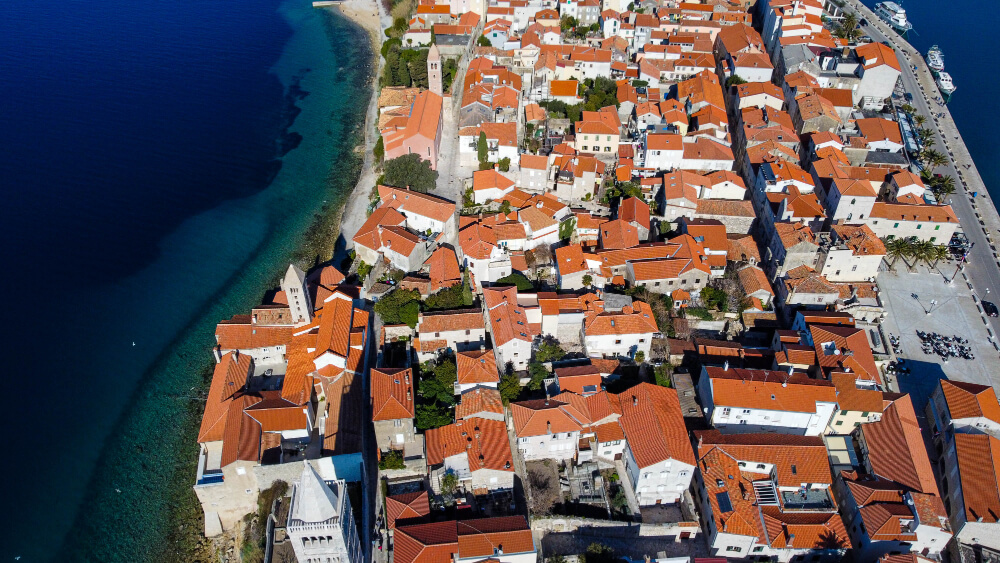
The historical image of the Town of Rab is well-known for its four bell towers rising above the walls and steep cliffs, three of them being built in the Romanesque-period style. The view of the town from the south and the sea that used to be the only way of access over millennia, is one of the most beautiful panoramic views along the Adriatic coast. Its harmonious and impressive blend of natural and cultural beauty, the surpassing landscape and an outstanding architecture can hardly leave anyone indifferent.